
- Livres en français
-
Livres en anglais
- Dentistry Books
- Medicine Books
-
Veterinary Books
-
Companion Animals
- Anaesthesia/Analgesia
- Anatomy
- Cytology/Laboratorial
- Veterinary Dentistry
- Diagnostic imaging
- Emergency
- Endocrinology/Reproduction
- Equine
- Ethology
- Infectious diseasesand immunology
- Nephrology/Urology
- Surgery and traumatology/Orthopaedics
- Nutrition
- Rehabilitation
- Parasites
- Ophthalmology
- Oncology
- Endocrinology
- Dermatology
- Cardiology
- Pet owner educationalatlas
- Senior care
- Surgery
- Management
- Livestock
- Management
-
Companion Animals
- Livres en français
-
Livres en anglais
- Dentistry Books
- Medicine Books
-
Veterinary Books
-
Companion Animals
- Anaesthesia/Analgesia
- Anatomy
- Cytology/Laboratorial
- Veterinary Dentistry
- Diagnostic imaging
- Emergency
- Endocrinology/Reproduction
- Equine
- Ethology
- Infectious diseasesand immunology
- Nephrology/Urology
- Surgery and traumatology/Orthopaedics
- Nutrition
- Rehabilitation
- Parasites
- Ophthalmology
- Oncology
- Endocrinology
- Dermatology
- Cardiology
- Pet owner educationalatlas
- Senior care
- Surgery
- Management
- Livestock
- Management
-
Companion Animals


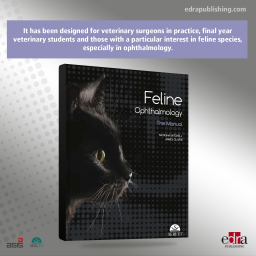
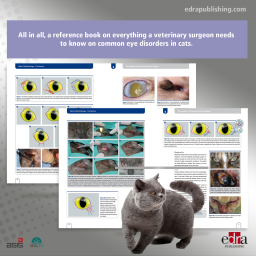
Feline Ophthalmology....
There is no doubt that cats are more and more popular as pets nowadays. It is therefore mandatory for veterinary surgeons to increase their knowledge on the diseases most frequently seen in feline practice. For that reason, the aim of this book is to provide the clinician with a visual guide to accurately diagnose and treat the most common ophthalmological eye disorders in cats. Feline Ophthalmology – The Manual is designed for veterinary surgeons in practice, final year veterinary students and those with a particular interest in feline species, especially in ophthalmology.


Beyond the Single Tooth
Prevention has historically been limited to oral hygiene and not as frequently addressed with the condition of the entire dentition. When we practice in this manner, we are perceived as a commodity, and there is little to differentiate ourselves or our expertise. However, when we approach our patients in a comprehensive manner, our critical thinking is enhanced. We now start to look beyond restorative solutions. Considering other disciplines often leads to more predictable outcomes.