The GAVeCeLT manual of...
The use of intravenous access devices is fundamental for all patients needing frequent blood sample collection, artificial nutrition, chemotherapy, antibiotic therapy, and any other intravenous treatment.
Filtres actifs
The use of intravenous access devices is fundamental for all patients needing frequent blood sample collection, artificial nutrition, chemotherapy, antibiotic therapy, and any other intravenous treatment.
This useful handbook describes in detail the entire process of diagnosis, collection and sending of samples to the laboratory, the interpretation of findings, and the description of the basic laboratory techniques. It goes deeper into the knowledge of the different swine pathologies and clearly exposes the different pathologies using flow charts that will guide veterinary surgeons through the diagnostic process. At the end of each chapter there is a clinical case that completes the information offered.
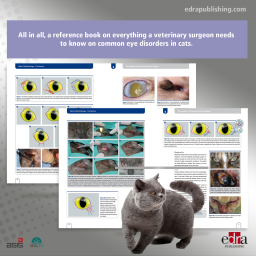
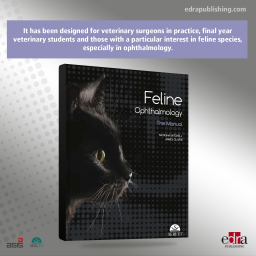
There is no doubt that cats are more and more popular as pets nowadays. It is therefore mandatory for veterinary surgeons to increase their knowledge on the diseases most frequently seen in feline practice. For that reason, the aim of this book is to provide the clinician with a visual guide to accurately diagnose and treat the most common ophthalmological eye disorders in cats. Feline Ophthalmology – The Manual is designed for veterinary surgeons in practice, final year veterinary students and those with a particular interest in feline species, especially in ophthalmology.
“Dr. Tony Feck defines the prosperous dental practice in all its aspects. From hiring, leadership, production, and growth, to profitability; no stone is left unturned. The roadmap to follow is clearly and concisely laid out for every dentist to follow. All you have to do is take the first step: read the book, cover to cover and start using the dozens of practical forms and outlines which Feck provides.” Dr. Christopher Phelps, DMD CMCT
The book will be available for shipping starting on July 31st
(Tax Incl.)
This book provides a comprehensive review of in ovo techniques and treatments in poultry eggs, which are aimed at improving embryonic development and decreasing economic losses in poultry farms. The book is divided into four chapters, which address the basics of in ovo techniques and sites of in ovo injection, nutrient utilisation for the development of the chick embryo, the role of early in ovo feeding for the chick embryo, and applications of in ovo technology for various nutrients and biological supplements in poultry.