The GAVeCeLT manual of...
The use of intravenous access devices is fundamental for all patients needing frequent blood sample collection, artificial nutrition, chemotherapy, antibiotic therapy, and any other intravenous treatment.
Filtres actifs
The use of intravenous access devices is fundamental for all patients needing frequent blood sample collection, artificial nutrition, chemotherapy, antibiotic therapy, and any other intravenous treatment.
Small handbook gathering all the life cycles of the most common ectoparasites in dogs and cats. Similar parasites are grouped together based on their life cycle and, consequently, their sensitivity to parasiticides. The aim is to provide readers with key aspects of parasite control and prevention, highlighting those diseases that can be transmitted by them. Geographic distribution maps are also included.
This guide is a visual and practical explanation of what should happen from the moment when you receive the semen from the artificial insemination centre, until the moment when the sow is inseminated, with a focus on the use of refrigerated semen: conservation and management of seminal doses, oestrus detection, identification of the best time for insemination, insemination methods, and hormonal control of oestrus and ovulation.
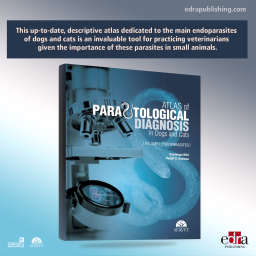
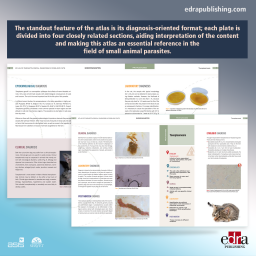
This up-to-date, descriptive atlas dedicated to the main endoparasites of dogs and cats is an invaluable tool for practicing veterinarians given the importance of these parasites in small animals. The authors, renowned specialists in the field, discuss the most salient aspects of each parasite and use visual aids to describe in practical terms the best means of detection and treatment. The standout feature of the atlas is its diagnosis-oriented format; each plate is divided into four closely related sections, aiding interpretation of the content and making this atlas an essential reference in the field of small animal parasites.
Cet ouvrage explore la condition omnivore des humains, analyse les grands défis auxquels le monde est confronté pour éradiquer la faim, étudie la production de nourriture nécessaire à une population croissante, et ce, dans le respect que l’on doit au bien-être des animaux. Sans esquiver aucun sujet, comme l’expérimentation en laboratoire avec des êtres vivants, les vaccins ou l’alimentation des animaux domestiques, le livre approche les considérations éthiques avec rigueur et en s’appuyant sur la statistique. L’auteur, vétérinaire réputé et ami des animaux, passe en revue tous les points de vue aujourd’hui au cœur du débat sur l’animalisme.
Reasons to be OMNIVORE explores humans' omnivorous nature, analyzes the significant challenges in eradicating hunger and examines food production needed for a growing population while respecting animal welfare. The book does not exclude subjects such as laboratory experimentation on living beings, vaccines, or pet nutrition. It approaches ethical considerations with rigor, supported by statistics. The author, a renowned veterinarian and animal advocate, addresses the animal rights debate from multiple perspectives.