The GAVeCeLT manual of...
The use of intravenous access devices is fundamental for all patients needing frequent blood sample collection, artificial nutrition, chemotherapy, antibiotic therapy, and any other intravenous treatment.
Filtres actifs
The use of intravenous access devices is fundamental for all patients needing frequent blood sample collection, artificial nutrition, chemotherapy, antibiotic therapy, and any other intravenous treatment.
This book is unique, developed by the main worldwide experts in this issue. It is an extremely valuable tool for any veterinary practitioner willing to deepen into physiopathology, clinical signs, diagnosis, treatment and prognosis of feline endocrine diseases, with an approach and contents never published so far. the most common endocrine conditions in cats are deeply discussed and addressed: hyperthyroidism, type-II diabetes mellitus, and growth hormone excess.
Small handbook gathering all the life cycles of the most common ectoparasites in dogs and cats. Similar parasites are grouped together based on their life cycle and, consequently, their sensitivity to parasiticides. The aim is to provide readers with key aspects of parasite control and prevention, highlighting those diseases that can be transmitted by them. Geographic distribution maps are also included.
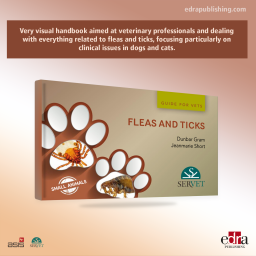
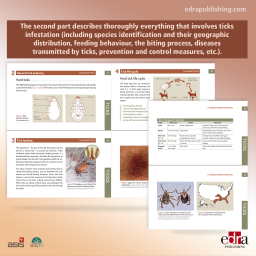
Very visual handbook aimed at veterinary professionals and dealing with everything related to fleas and ticks, focusing particularly on clinical issues in dogs and cats. The first part is entirely dedicated to fleas (including their identification, life cycle, clinical signs derived from flea infestation, flea allergy dermatitis (FAD), and prevention and control measures, among others). The second part describes thoroughly everything that involves ticks infestation (including species identification and their geographic distribution, feeding behaviour, the biting process, diseases transmitted by ticks, prevention and control measures, etc.).
L’approche par problèmes est la méthode recommandée par le Collège de Médecine Interne pour aborder et résoudre les questions et problèmes médicaux. D'où l'idée de créer un livre basé sur les algorithmes traitant des principales anomalies cliniques et de laboratoire du chien et du chat dans une perspective novatrice.
The problem-oriented approach is recommended by the College of Internal Medicine to address and resolve medical problems. Hence the idea of a book based on algorithms that guide the reader step-by-step with logical, practical, cost-effective options to proceed from a general concern, laboratory abnormality, or imaging finding to a specific diagnosis or treatment. Moreover, comprehensive notes, linked to the algorithms by references, give more details regarding a specific diagnostic investigation, a particular disease or the therapy recommended.
The new groundbreaking VIMS - Veterinary Internal Medicine Series carries the veterinarians in a transformative journey through the dynamic world of veterinary internal medicine. Arising from a profound understanding of the complexities veterinarians face, each book concentrates on a specific organ system in either dogs or cats, offering unparalleled insights that surpass traditional veterinary resources. Every book in this series offers a clear path to learning current opinions on pathophysiology, diagnosis, treatment, prognosis, and costs associated with illnesses.