The GAVeCeLT manual of...
The use of intravenous access devices is fundamental for all patients needing frequent blood sample collection, artificial nutrition, chemotherapy, antibiotic therapy, and any other intravenous treatment.
Filtres actifs
The use of intravenous access devices is fundamental for all patients needing frequent blood sample collection, artificial nutrition, chemotherapy, antibiotic therapy, and any other intravenous treatment.
José Rodríguez, together with Guillermo Couto and Jorge Llinás, surprises us again with a new volume of the Small Animal Surgery collection, although this time he focuses on the application of bloodless surgery. The author and his colleagues use their wide experience to show readers the importance of ensuring appropriate haemostasis in surgical procedures.
Atlas exclusively dedicated to the most important parasites and parasitoses of sheep. It is an eminently practical publication, with numerous images that help to identify parasites and understand their biological cycles. It includes a chapter on the key diagnostic techniques used to identify adult parasites, eggs and larvae.
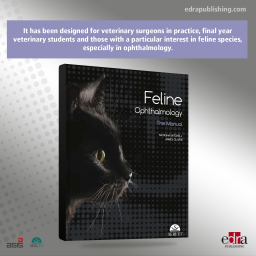
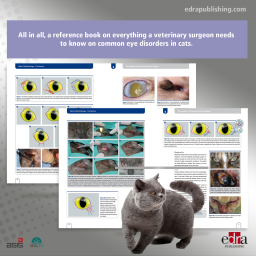
There is no doubt that cats are more and more popular as pets nowadays. It is therefore mandatory for veterinary surgeons to increase their knowledge on the diseases most frequently seen in feline practice. For that reason, the aim of this book is to provide the clinician with a visual guide to accurately diagnose and treat the most common ophthalmological eye disorders in cats. Feline Ophthalmology – The Manual is designed for veterinary surgeons in practice, final year veterinary students and those with a particular interest in feline species, especially in ophthalmology.
The extraction of impacted dental elements is often referred to by maxillofacial surgeons. However, it can be handled as routinely as any other type of extraction. Piezoelectric surgery of impacted teeth, which involves reproducible procedures using a step-by-step approach in all types of cases, also allows dentists who approach the extraction of impacted elements less frequently to carefully prepare for the procedure and perform it, thereby minimizing possible post-surgical issues for the patient, such as biological risks. Using the most innovative techniques, including the application of ultrasound in oral surgery and piezoelectric surgery, the author provides an indispensable tool to train and update dentists who intend to perform all types of extractions.