The GAVeCeLT manual of...
The use of intravenous access devices is fundamental for all patients needing frequent blood sample collection, artificial nutrition, chemotherapy, antibiotic therapy, and any other intravenous treatment.
Filtres actifs
The use of intravenous access devices is fundamental for all patients needing frequent blood sample collection, artificial nutrition, chemotherapy, antibiotic therapy, and any other intravenous treatment.
Small handbook gathering all the life cycles of the most common ectoparasites in dogs and cats. Similar parasites are grouped together based on their life cycle and, consequently, their sensitivity to parasiticides. The aim is to provide readers with key aspects of parasite control and prevention, highlighting those diseases that can be transmitted by them. Geographic distribution maps are also included.
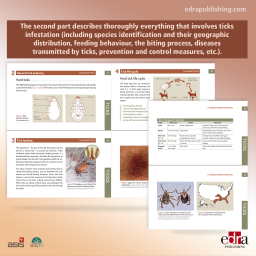
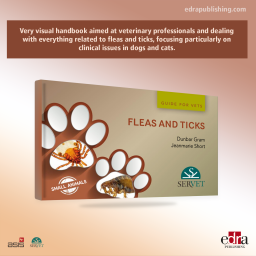
Very visual handbook aimed at veterinary professionals and dealing with everything related to fleas and ticks, focusing particularly on clinical issues in dogs and cats. The first part is entirely dedicated to fleas (including their identification, life cycle, clinical signs derived from flea infestation, flea allergy dermatitis (FAD), and prevention and control measures, among others). The second part describes thoroughly everything that involves ticks infestation (including species identification and their geographic distribution, feeding behaviour, the biting process, diseases transmitted by ticks, prevention and control measures, etc.).
The diode laser is a versatile and effective solution for oral tissue care. The book responds to the needs of those clinicians who seek specific and updated training on the use of the diode laser. An extensive set of images describes clinical applications in detail, offering professionals a comprehensive learning tool and a useful resource in daily practice. It is also possible to access videos on specific topics covered in the text from a smartphone or tablet via the QR codes printed inside this book.
General dental practice has never been more interesting, and the field of tooth wear satisfies so many aspects of the skills we are trained to use. It requires detective work and lateral thinking, empathy, and listening. Most of all, it’s about offering confidence and reassurance to patients who are often discovering for the first time that chemical and physical forces are damaging their teeth.
But not all tooth wear needs treatment. How then, does a clinician make the distinction, and what drives us to intervene? This book will weigh all aspects of the treatment options and the motivation for managing tooth wear. Above all, it focus on biologic, functional, and ethical rationale with the goal of enamel conservation and protection at the forefront.