Stress, compassion...
There is a need to publicize the syndromes occurring in veterinary personnel due to work-related stress. Vets are apathetic or leaving the profession.
Filtres actifs
There is a need to publicize the syndromes occurring in veterinary personnel due to work-related stress. Vets are apathetic or leaving the profession.
This atlas is aimed at bovine medicine practitioners to provide them with an easy to use visual reference of the main pathologies and disorders present in this species. A wide range of the most common diseases and disorders of cattle are illustrated, grouped by organic system and anatomic location, along with a brief description of the aetiology and pathology of each. The atlas includes the main disorders of cattle including congenital malformations, skin disorders, gastrointestinal, cardiovascular and respiratory conditions and diseases affecting the locomotor system, the nervous system including the sensory organs and the reproductive apparatus of males and females including the mammary gland.
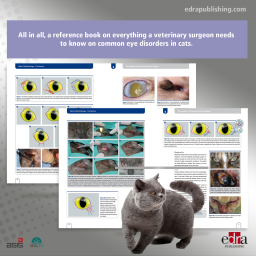
There is no doubt that cats are more and more popular as pets nowadays. It is therefore mandatory for veterinary surgeons to increase their knowledge on the diseases most frequently seen in feline practice. For that reason, the aim of this book is to provide the clinician with a visual guide to accurately diagnose and treat the most common ophthalmological eye disorders in cats. Feline Ophthalmology – The Manual is designed for veterinary surgeons in practice, final year veterinary students and those with a particular interest in feline species, especially in ophthalmology.
Presentation Seizure disorders are common in small animal practice. The purpose of this book is to provide a comprehensive, evidence-based resource to assist in the successful management of recurrent seizures in dogs and cats. The book’s format is designed to present a logical, clinically relevant approach to a seizure patient, with detailed information on the broad range of topics involved in the diagnosis and treatment of seizure disorders. The clinical and diagnostic approach to the seizure patient is discussed in depth, with dedicated chapters on idiopathic epilepsy in dogs, the genetics of epilepsy, feline epilepsy, quality of life, advanced imaging and electroencephalography.
This Servet Clinical Guide presents the basic concepts regarding the behaviour of domestic dogs and explains the disorders most commonly encountered in everyday clinical practice. The book describes the main signs of behavioural disorders, their diagnosis, prognosis, and treatment, all illustrated with images taken from actual cases.