The GAVeCeLT manual of...
The use of intravenous access devices is fundamental for all patients needing frequent blood sample collection, artificial nutrition, chemotherapy, antibiotic therapy, and any other intravenous treatment.
Filtres actifs
The use of intravenous access devices is fundamental for all patients needing frequent blood sample collection, artificial nutrition, chemotherapy, antibiotic therapy, and any other intravenous treatment.
This book deals with the main orthopaedic conditions of the stifle joint in dogs and cats, so veterinary surgeons can assess, diagnose and treat the disorders commonly seen in their practice. It is intended to help veterinary clinicians make a correct diagnosis and prognosis and establish the most appropriate drug or surgical treatment for each case. Orthopaedic pathologies of the stifle joint contains plenty of high-quality images and illustrations as well as links to videos through QR codes, which provide additional information and contribute to making the book even more practical.
A visual guide with a strongly educational approach covering the main joints in the limbs of the dog. It shows the anatomical elements of each of these joints in three-dimensional diagrams. The views chosen for each case have been selected for a practical purpose, showing the position of the elements involved in the most commonly used surgical approaches. It also describes the key orthopaedic conditions affecting each joint and the most commonly used surgical approaches. It contains a large number of images and illustrations, and a selection of views presented in digital video format.
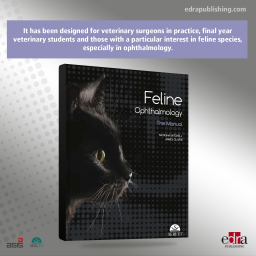
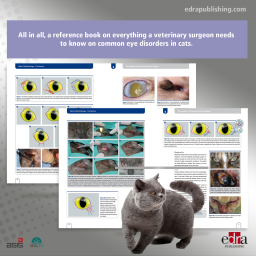
There is no doubt that cats are more and more popular as pets nowadays. It is therefore mandatory for veterinary surgeons to increase their knowledge on the diseases most frequently seen in feline practice. For that reason, the aim of this book is to provide the clinician with a visual guide to accurately diagnose and treat the most common ophthalmological eye disorders in cats. Feline Ophthalmology – The Manual is designed for veterinary surgeons in practice, final year veterinary students and those with a particular interest in feline species, especially in ophthalmology.
This book serves as a useful tool for learning about the most common diseases of tilapia (both red and Nile) raised in intensive and semi-intensive systems. It covers both macroscopic and microscopic lesions as well as elements of production and parameters of water quality which are critical to determining the health and disease of these fish.