The GAVeCeLT manual of...
The use of intravenous access devices is fundamental for all patients needing frequent blood sample collection, artificial nutrition, chemotherapy, antibiotic therapy, and any other intravenous treatment.
Filtres actifs
The use of intravenous access devices is fundamental for all patients needing frequent blood sample collection, artificial nutrition, chemotherapy, antibiotic therapy, and any other intravenous treatment.
The introduction of osseointegrated dental implants soon 50 years ago has indeed revolutionized dentistry. The scientific evaluation of their use has shown good and increasingly successful treatment outcomes. A prerequisite though is the availability of sufficient bone volumes to ensure integration and acceptable aesthetic results. In this book various surgical techniques, using different augmentation materials, are described and explained. The aim has been to highlight minimally invasive surgical techniques, which leads to less risk of morbidity and reduces treatment time. Readers will enjoy a comprehensive atlas providing some practical advice for everyday surgical practice based on solid scientific evidence.
Vaccination is one of the cornerstones of poultry production. In fact, it is one of the aspects that most influence production parameters in the poultry industry. In broilers, the optimum time of vaccination should aim at obtaining the maximum meat yield. In layers and breeders, both time and the route of administration have an influence in the quality of egg shells and the number of eggs per laying, among others.
This book is intended as a practical guide to enable small animal clinical veterinary surgeons and their teams to improve various aspects of their everyday practice: how they understand and relate to patients and clients, how they manage their work, the handling of animals during different procedures, and the implementation of programs to deal with behavioral issues. These aspects will have a highly positive impact on the well-being of the patient, the client, and the veterinary and support staff, with the implementation of smoother and more effective procedures.
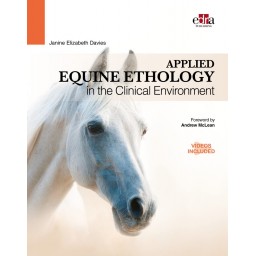
The book has been designed to guide professionals through the behavioural assessment of the equine patient during clinical procedures and gain an understanding of how to develop a behavioural management strategy, which is the most appropriate for each individual horse and suitable for the type of procedure to be performed. The text will be accompanied by technical illustrations, images, and practical video clips.