The GAVeCeLT manual of...
The use of intravenous access devices is fundamental for all patients needing frequent blood sample collection, artificial nutrition, chemotherapy, antibiotic therapy, and any other intravenous treatment.
Filtres actifs
The use of intravenous access devices is fundamental for all patients needing frequent blood sample collection, artificial nutrition, chemotherapy, antibiotic therapy, and any other intravenous treatment.
This book is unique, developed by the main worldwide experts in this issue. It is an extremely valuable tool for any veterinary practitioner willing to deepen into physiopathology, clinical signs, diagnosis, treatment and prognosis of feline endocrine diseases, with an approach and contents never published so far. the most common endocrine conditions in cats are deeply discussed and addressed: hyperthyroidism, type-II diabetes mellitus, and growth hormone excess.
This atlas compiles clinical cases and images of pathological conditions. It will be very helpful for any vet needing to recognise macroscopical and microscopical lesions in sheep.
Any discussion of digital dentistry nowadays means talking about an ecosystem that is set to replace the traditional way of working in every area: production processes, time management, and relationships with other professionals.
The first aim of the book Food, Eating and Nutrition: A multidisciplinary approach was to explore the common ground between all the professionals working within or around the area of the mouth and on the mechanics of eating food such as dentists, speech pathologists, lactation consultants or otolaryngologists. However, this project, over time, thanks to the contributions of many specialists, has come to include the impact of food on the whole body by focusing on functions, organs and on how eating keeps us in health or in disease. The authors also covered the topic of social, cultural, and geographical influence on nutrition.
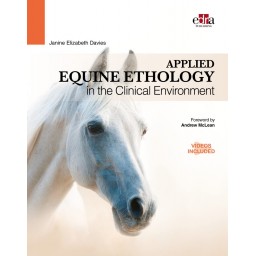
The book has been designed to guide professionals through the behavioural assessment of the equine patient during clinical procedures and gain an understanding of how to develop a behavioural management strategy, which is the most appropriate for each individual horse and suitable for the type of procedure to be performed. The text will be accompanied by technical illustrations, images, and practical video clips.