The Heart. Atlas of...
This atlas shows Cardiology in a way it had never been done before. The images it contains, of both the healthy heart and the main heart diseases that affect dogs and cats, have a unique technical and artistic value.
Active filters
This atlas shows Cardiology in a way it had never been done before. The images it contains, of both the healthy heart and the main heart diseases that affect dogs and cats, have a unique technical and artistic value.
Atlases of cytology are an essential tool in small animal practice. Diagnostic cytology, which is used extensively in routine clinical practice, requires the most comprehensive cell identification possible. This is best achieved with the help of numerous images that reflect the most characteristic and distinguishing features of the different cytological patterns, and this book will therefore be of great use to the reader in the diagnostic process of many pathologies.
Dental care is essential to prevent dental and oral health problems in dogs. It is nowadays a routine procedure for most veterinary practices. However, some dental pathologies are sometimes really difficult to diagnose and treat. With almost 400 high-quality images, clear anatomical illustrations, and descriptions of numerous diagnostic tests, this atlas constitutes a reference handbook for a quick visual identification with a clear orientation towards a precise diagnosis and treatment. In short, this is an essential tool for a better understanding of dental pathologies in dogs.
This book describes the most common bacterial skin infections affecting cats and dogs, their clinical presentation, and aetiological agents, besides offering practical techniques and advice for their identification and management using clear images, tables, and diagrams. It also facilitates veterinary surgeons with the tools to treat resistant infections and explains the latest developments in topical and systemic treatments.
Twenty per cent of visits to the vet may be due to otitis and, although in general they do not represent a serious condition for the animal, they may become very insidious processes if they are not treated suitably. This work presents a selection of clinical cases to help vets to establish the proper guidelines for treatment, management and control.
This book provides new insight into feline ultrasound in daily practice. From cranial to caudal, the feline species has been thoroughly scanned, detailing for each body region the scanning technique, as well as the ultrasonography of both the normal and the diseased organ. In each chapter, key points highlight feline species' special features and help the reader focus on the most important. Several short ultrasound clips are also available in the electronic version of the book, increasing, even more, the interest of this book: an up-to-date text and several references to the latest studies.
Visual and technical atlas describing general concepts and details of the main diseases affecting horses. This atlas is designed as an aid to equine veterinarians who need to explain these concepts to horse owners in simple but precise terms.
This book deals with pain in companion animals and how it affects their welfare, health and, of course, behaviour. It describes the difficulties encountered, throughout history, to finally reach the conclusion that animals and humans share the same neurophy- siological mechanisms to feel pain, and what their sensitive pathways are. It then goes deeper into the changes that pain can cause in the behaviour of dogs and cats and the tools available to the veterinary surgeon to control it.
This innovative book presents the fundamental aspects of basic immunology and the most important dog and cat infectious diseases in an illustrated and educational way. The accuracy of the contents, together with the detailed illustrations, will help the veterinarian to consolidate his or her knowledge on this subject. Also, the extensive teaching experience of the authors gives the piece a didactic and simple tone when treating this complex discipline.
Why do people buy things? What tools can we use to convince clients and sell our services? In this work, the authors offer their more than 20 years of experience working in different areas of a veterinary practice. Written with a practical approach, this book reviews the current knowledge in neuromarketing and provides advice for its implementation in the real daily life of veterinary practices.
The specific objective of this practical book is to help the reader, whether a veterinary surgeon or manager of a veterinary clinic, design the best possible health plans for their veterinary centre, whether starting from scratch or seeking to improve upon existing health plans that are not selling successfully.
This book explains the seven key aspects that, according to the author, are necessary to successfully run a veterinary practice. These include, among others, working with objectives, discovering your values and making the most of them or managing conflicts. Each of these key aspects is addressed concisely and clearly, with numerous examples so readers can identify themselves with the situation.
Visual atlas describing general concepts and details of the main diseases affecting the urinary tract of dogs and cats. This atlas is a tool to facilitate communication between veterinary practitioners and pet owners.
Most chapters in this atlas are either disease or problem based, each providing the most relevant information about clinical signs, diagnosis, treatment, and prognosis. Because dogs or cats with the disease of the urinary tract may have more than one of the problems contained in this book, the veterinarian may utilize several chapters to helpfully explain a pet's condition. the text and images will help the owner gain confidence in the veterinarian's recommendations.
This book describes a practical, simple work protocol which may be useful to most of those first-opinion veterinary practitioners who have to deal with cases of neoplasia in their practices. It combines the experience in clinical oncology of a first-opinion veterinary surgeon and the knowledge of a veterinary practitioner specialized in this field, and includes a wide variety of images of the most common tumours in small animals as well as in exotic species. Some key aspects such as how to collect and send samples to the laboratory, and basic surgical techniques in oncology are also addressed.
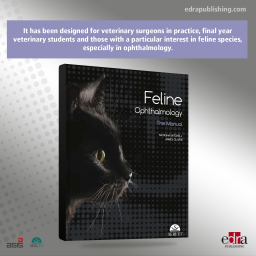
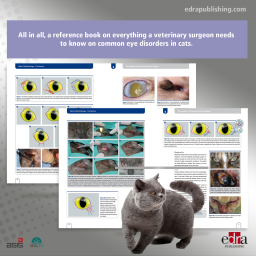
There is no doubt that cats are more and more popular as pets nowadays. It is therefore mandatory for veterinary surgeons to increase their knowledge on the diseases most frequently seen in feline practice. For that reason, the aim of this book is to provide the clinician with a visual guide to accurately diagnose and treat the most common ophthalmological eye disorders in cats. Feline Ophthalmology – The Manual is designed for veterinary surgeons in practice, final year veterinary students and those with a particular interest in feline species, especially in ophthalmology.
Like the preceding volumes in this series, the goal of this new Pet Owner Educational Atlas – dedicated to neurology in dogs and cats – is to assist veterinary surgeons in providing pet owners with appropriate explanations regarding their pet’s condition or treatment. The information provided will also help practicing veterinary surgeons to consolidate their knowledge in this particular specialty.
Achieving the owner's acceptance and implication, both in the required diagnostic tests and therapeutic compliance is an essential aspect for the optimal resolution of any clinical case. To this end, it is necessary that he or she understands what is happening to the pet and what diagnostic and treatment guidelines are being established by the veterinary surgeon.
This illustrated work aims at helping veterinary surgeons to communicate with pet owners. After the previous volume about surgery, this atlas dedicated to dermatology helps the vet to explain the physiological and pathological characteristics of skin as well as the characteristics of diagnostic tests, treatments and surgical techniques. Every illustration describes the clinical aspects of the dermatology consultation: anatomical and physiological considerations about the skin and its adnexa, and graphic descriptions of infectious, inflammatory, endocrine, allergic or tumoral diseases. The clarity and accuracy of the illustrations turn this atlas into another useful clinical tool.
This manual on surgery, gathering 30 clinical cases, provides the reader with a better understanding to perform surgeries in dogs and cats with gastrointestinal disorders. Both simple and complex cases are addressed, detailing patient’s history, physical examination, surgical preparation and technique, as well as additional considerations. It is the intention of the authors of this book to present a series of assorted surgical cases related to the digestive system. Surgical situations of dogs and cats with a more frequent presentation, but because of that none less challenging, will be included. Some less commonly presentations, with their own puzzling demands, will be also addressed.
Handy and rigorous book focused on the main viral infections in poultry farming through a practical and visual approach of the topic. Each disease has been thoroughly reviewed including the most updated information (aetiology, epidemiology, clinical signs, etc.) to facilitate its comprehension by the readers.
Technical book on avian inspection, written by an experienced author in this topic, which tackles the most important findings noticed during broiler meat inspection at abattoirs. After starting with an introduction about poultry inspection, the book describes the most significant conditions (pathologies, rejections due to poor processing, offal for human consumption) found during broiler inspection. Each chapter is divided in three parts clearly differentiated: definition, origin, and responsibilities arising for veterinarian/ inspector. A chapter entirely dedicated to animal welfare is included within this book. It is focused on the major aspects to be considered by veterinarian/inspector under compliance with current legislation.
This atlas provides an up-to-date review of avian coccidiosis: its aetiology, epidemiology, clinical signs, etc. Special emphasis has been placed on the diagnosis and control of coccidiosis on poultry farms, with information about the techniques designed to detect coccidia and the current vaccination programmes.
A visual atlas which describes –day by day– the hole process of embryonic development in order to be able to identify critical points in this process so a final and correct diagnosis can be established.
This atlas describes the avian necropsy technique in a detailed and systematic manner. It also provides information about the pathologies commonly observed in poultry at the slaughterhouse, as well as guidelines on how to collect samples for diagnostic tests. This updated edition includes, in addition to more than 200 images, explanatory videos to obtain the maximum diagnostic yield.
The goal of this work is to present the reader with the most common diseases that can produce immunosuppression in poultry, provide guidance for the diagnosis of immunosuppressive diseases, and examine the challenges that a diagnostician may face in confirming a diagnosis of immunosuppression. The book will feature an extensive collection of color photographs depicting gross and microscopic images.
This book serves as a useful tool for learning about the most common diseases of tilapia (both red and Nile) raised in intensive and semi-intensive systems. It covers both macroscopic and microscopic lesions as well as elements of production and parameters of water quality which are critical to determining the health and disease of these fish.