The GAVeCeLT manual of...
The use of intravenous access devices is fundamental for all patients needing frequent blood sample collection, artificial nutrition, chemotherapy, antibiotic therapy, and any other intravenous treatment.
Active filters
The use of intravenous access devices is fundamental for all patients needing frequent blood sample collection, artificial nutrition, chemotherapy, antibiotic therapy, and any other intravenous treatment.
Small handbook gathering all the life cycles of the most common ectoparasites in dogs and cats. Similar parasites are grouped together based on their life cycle and, consequently, their sensitivity to parasiticides. The aim is to provide readers with key aspects of parasite control and prevention, highlighting those diseases that can be transmitted by them. Geographic distribution maps are also included.
This handbook is intended to be a useful and practical tool primarily developed for pig production companies, as well as for veterinary practitioners faced with enteric disease affecting piglets in their first days of life. The contents are the result of the joint efforts of highly-regarded specialists with years of experience in the field of enteric diseases in swine..
Chronic valvular disease (CVD) is the most common heart disease seen in veterinary practice. Three of every four dogs with heart disease presented at the clinic have CVD; one of every four elderly dogs has it. This clear and simple visual guide provides all the tools that a general practitioner needs to treat this disease successfully.
A practical book that will answer your questions about how to perform the right X-Ray and will help you to avoid unnecessary repetition of exposures. It explains the radiographic positions for the examination of every organ or structure as well as the appropriate radiologic parameters.
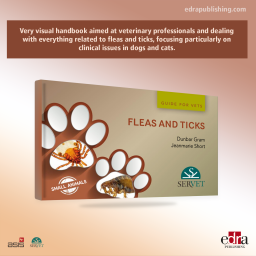
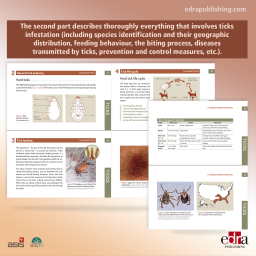
Very visual handbook aimed at veterinary professionals and dealing with everything related to fleas and ticks, focusing particularly on clinical issues in dogs and cats. The first part is entirely dedicated to fleas (including their identification, life cycle, clinical signs derived from flea infestation, flea allergy dermatitis (FAD), and prevention and control measures, among others). The second part describes thoroughly everything that involves ticks infestation (including species identification and their geographic distribution, feeding behaviour, the biting process, diseases transmitted by ticks, prevention and control measures, etc.).
This atlas provides an up-to-date review of avian coccidiosis: its aetiology, epidemiology, clinical signs, etc. Special emphasis has been placed on the diagnosis and control of coccidiosis on poultry farms, with information about the techniques designed to detect coccidia and the current vaccination programmes.