The GAVeCeLT manual of...
The use of intravenous access devices is fundamental for all patients needing frequent blood sample collection, artificial nutrition, chemotherapy, antibiotic therapy, and any other intravenous treatment.
Active filters
The use of intravenous access devices is fundamental for all patients needing frequent blood sample collection, artificial nutrition, chemotherapy, antibiotic therapy, and any other intravenous treatment.
In 23 chapters, the treatment of pediatric patients is examined in every aspect: from the approach to the patient, to prevention, to conservative treatment in carious pathology. A review of the endodontics and pharmacotherapy are some of the available updates, which complete the comprehensive overview of the discipline, along with the new chapters on miofunctional therapy, on the dental treatment of snoring and nocturnal apnoea syndrome, on the treatment of patients with disabilities.
This is a pioneering book in veterinary medicine. The reader will be able to visualize what really is happening in a diseased heart. Through three-dimensional representation and augmented reality; every disorder can be seen, almost touching the 3D model above the book. The pathologies' changes in blood flow can be visualized, bringing the reader even closer to the pathophysiological reality. The text addresses the major points of pathophysiology and diagnostic keys for the most common diseases, and the illustrations and pictures are a bridge between the 3D models and the text. Thus, the book succeeds in joining diagnosis, particularly a test such as echocardiography, to understand the pathophysiology.
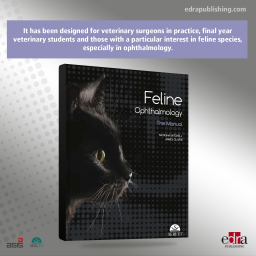
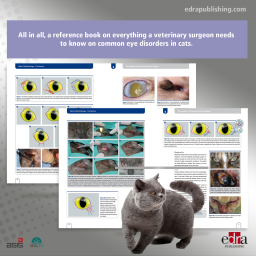
There is no doubt that cats are more and more popular as pets nowadays. It is therefore mandatory for veterinary surgeons to increase their knowledge on the diseases most frequently seen in feline practice. For that reason, the aim of this book is to provide the clinician with a visual guide to accurately diagnose and treat the most common ophthalmological eye disorders in cats. Feline Ophthalmology – The Manual is designed for veterinary surgeons in practice, final year veterinary students and those with a particular interest in feline species, especially in ophthalmology.
The second edition of this educational atlas on cats expands on its initial goal of helping veterinary surgeons communicate with owners by adding to the content of the first edition with 16 new sheets. Needless to say that the previous topics have been revised and updated with the latest developments in each area.
This book has been created for everyone passionate about veterinary dermatology. Written by veterinary experts, this resource will explore the diagnostic thinking process. This practical book describes complex dermatological clinical cases through the evaluation of their clinical presentation, results of diagnostic procedures and treatment strategies. Fully illustrated with colour pictures, it also includes tables and clinical keys.