The GAVeCeLT manual of...
The use of intravenous access devices is fundamental for all patients needing frequent blood sample collection, artificial nutrition, chemotherapy, antibiotic therapy, and any other intravenous treatment.
Active filters
The use of intravenous access devices is fundamental for all patients needing frequent blood sample collection, artificial nutrition, chemotherapy, antibiotic therapy, and any other intravenous treatment.
Small handbook gathering all the life cycles of the most common ectoparasites in dogs and cats. Similar parasites are grouped together based on their life cycle and, consequently, their sensitivity to parasiticides. The aim is to provide readers with key aspects of parasite control and prevention, highlighting those diseases that can be transmitted by them. Geographic distribution maps are also included.
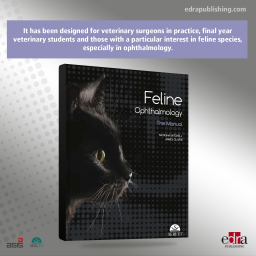
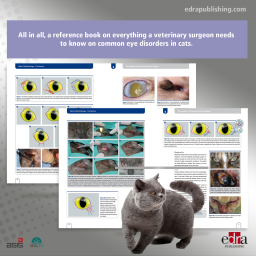
There is no doubt that cats are more and more popular as pets nowadays. It is therefore mandatory for veterinary surgeons to increase their knowledge on the diseases most frequently seen in feline practice. For that reason, the aim of this book is to provide the clinician with a visual guide to accurately diagnose and treat the most common ophthalmological eye disorders in cats. Feline Ophthalmology – The Manual is designed for veterinary surgeons in practice, final year veterinary students and those with a particular interest in feline species, especially in ophthalmology.
Technical book on avian inspection, written by an experienced author in this topic, which tackles the most important findings noticed during broiler meat inspection at abattoirs. After starting with an introduction about poultry inspection, the book describes the most significant conditions (pathologies, rejections due to poor processing, offal for human consumption) found during broiler inspection. Each chapter is divided in three parts clearly differentiated: definition, origin, and responsibilities arising for veterinarian/ inspector. A chapter entirely dedicated to animal welfare is included within this book. It is focused on the major aspects to be considered by veterinarian/inspector under compliance with current legislation.
This book is intended as a practical guide to enable small animal clinical veterinary surgeons and their teams to improve various aspects of their everyday practice: how they understand and relate to patients and clients, how they manage their work, the handling of animals during different procedures, and the implementation of programs to deal with behavioral issues. These aspects will have a highly positive impact on the well-being of the patient, the client, and the veterinary and support staff, with the implementation of smoother and more effective procedures.