The GAVeCeLT manual of...
The use of intravenous access devices is fundamental for all patients needing frequent blood sample collection, artificial nutrition, chemotherapy, antibiotic therapy, and any other intravenous treatment.
Active filters
The use of intravenous access devices is fundamental for all patients needing frequent blood sample collection, artificial nutrition, chemotherapy, antibiotic therapy, and any other intravenous treatment.
This new book in the Small Animal Surgery series reviews some of the surgical errors and complications that may occur in daily practice when performing surgery. It is intended for surgeons starting their professional careers and residents, as well as experienced veterinary surgeons, since it must not be forgotten that errors can occur at any time, no matter how much experience one may have.
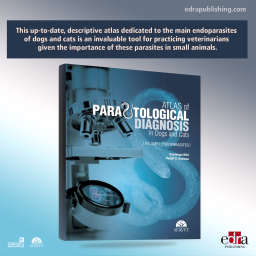
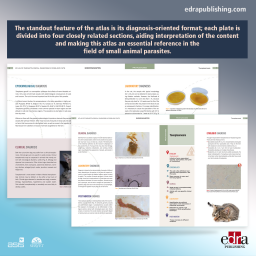
This up-to-date, descriptive atlas dedicated to the main endoparasites of dogs and cats is an invaluable tool for practicing veterinarians given the importance of these parasites in small animals. The authors, renowned specialists in the field, discuss the most salient aspects of each parasite and use visual aids to describe in practical terms the best means of detection and treatment. The standout feature of the atlas is its diagnosis-oriented format; each plate is divided into four closely related sections, aiding interpretation of the content and making this atlas an essential reference in the field of small animal parasites.
This manual on surgery, gathering 30 clinical cases, provides the reader with a better understanding to perform surgeries in dogs and cats with gastrointestinal disorders. Both simple and complex cases are addressed, detailing patient’s history, physical examination, surgical preparation and technique, as well as additional considerations. It is the intention of the authors of this book to present a series of assorted surgical cases related to the digestive system. Surgical situations of dogs and cats with a more frequent presentation, but because of that none less challenging, will be included. Some less commonly presentations, with their own puzzling demands, will be also addressed.
This atlas describes the avian necropsy technique in a detailed and systematic manner. It also provides information about the pathologies commonly observed in poultry at the slaughterhouse, as well as guidelines on how to collect samples for diagnostic tests. This updated edition includes, in addition to more than 200 images, explanatory videos to obtain the maximum diagnostic yield.
The goal of this work is to present the reader with the most common diseases that can produce immunosuppression in poultry, provide guidance for the diagnosis of immunosuppressive diseases, and examine the challenges that a diagnostician may face in confirming a diagnosis of immunosuppression. The book will feature an extensive collection of color photographs depicting gross and microscopic images.
When unpredictable, catastrophic and disabling events happen into all sectors of the economy and social life, the impact of the change becomes immediate, with an acceleration of the processes that almost always leads to a concentration and restructuring of the activities. In our case of the dental offer. In the next future it will occur a physiological reduction of the dental offices that will be larger on average, organized, competitive, entrepreneurial. In this context matters relating to management and business economics should become part of the cultural heritage of dentists, at least those who run their own business.
The second edition of this educational atlas on cats expands on its initial goal of helping veterinary surgeons communicate with owners by adding to the content of the first edition with 16 new sheets. Needless to say that the previous topics have been revised and updated with the latest developments in each area.