The GAVeCeLT manual of...
The use of intravenous access devices is fundamental for all patients needing frequent blood sample collection, artificial nutrition, chemotherapy, antibiotic therapy, and any other intravenous treatment.
Active filters
The use of intravenous access devices is fundamental for all patients needing frequent blood sample collection, artificial nutrition, chemotherapy, antibiotic therapy, and any other intravenous treatment.
Small handbook gathering all the life cycles of the most common ectoparasites in dogs and cats. Similar parasites are grouped together based on their life cycle and, consequently, their sensitivity to parasiticides. The aim is to provide readers with key aspects of parasite control and prevention, highlighting those diseases that can be transmitted by them. Geographic distribution maps are also included.
This atlas is aimed at bovine medicine practitioners to provide them with an easy to use visual reference of the main pathologies and disorders present in this species. A wide range of the most common diseases and disorders of cattle are illustrated, grouped by organic system and anatomic location, along with a brief description of the aetiology and pathology of each. The atlas includes the main disorders of cattle including congenital malformations, skin disorders, gastrointestinal, cardiovascular and respiratory conditions and diseases affecting the locomotor system, the nervous system including the sensory organs and the reproductive apparatus of males and females including the mammary gland.
Servet presents this innovative work written by authors specialised in the field. Uniquely, this book provides a joint perspective on the subjects of Dermatology and Immunology. The combination of the two subjects makes this work an indispensable tool for readers, allowing them to tackle each pathology encountered using an informed approach that is unique within the current literature.
Visual atlas describing general concepts and details of the main diseases affecting the urinary tract of dogs and cats. This atlas is a tool to facilitate communication between veterinary practitioners and pet owners.
Most chapters in this atlas are either disease or problem based, each providing the most relevant information about clinical signs, diagnosis, treatment, and prognosis. Because dogs or cats with the disease of the urinary tract may have more than one of the problems contained in this book, the veterinarian may utilize several chapters to helpfully explain a pet's condition. the text and images will help the owner gain confidence in the veterinarian's recommendations.
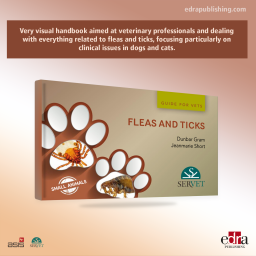
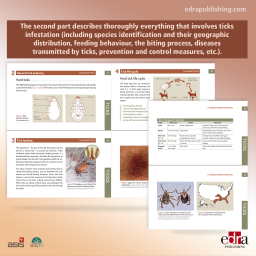
Very visual handbook aimed at veterinary professionals and dealing with everything related to fleas and ticks, focusing particularly on clinical issues in dogs and cats. The first part is entirely dedicated to fleas (including their identification, life cycle, clinical signs derived from flea infestation, flea allergy dermatitis (FAD), and prevention and control measures, among others). The second part describes thoroughly everything that involves ticks infestation (including species identification and their geographic distribution, feeding behaviour, the biting process, diseases transmitted by ticks, prevention and control measures, etc.).
The goal of this work is to present the reader with the most common diseases that can produce immunosuppression in poultry, provide guidance for the diagnosis of immunosuppressive diseases, and examine the challenges that a diagnostician may face in confirming a diagnosis of immunosuppression. The book will feature an extensive collection of color photographs depicting gross and microscopic images.