The GAVeCeLT manual of...
The use of intravenous access devices is fundamental for all patients needing frequent blood sample collection, artificial nutrition, chemotherapy, antibiotic therapy, and any other intravenous treatment.
Active filters
The use of intravenous access devices is fundamental for all patients needing frequent blood sample collection, artificial nutrition, chemotherapy, antibiotic therapy, and any other intravenous treatment.
Small handbook gathering all the life cycles of the most common ectoparasites in dogs and cats. Similar parasites are grouped together based on their life cycle and, consequently, their sensitivity to parasiticides. The aim is to provide readers with key aspects of parasite control and prevention, highlighting those diseases that can be transmitted by them. Geographic distribution maps are also included.
This edition of the Veterinary suture handbook expands the contents of the previous edition with updated and more practical information. It includes basic aspects such as the different types of sutures, their characteristics and those of the instruments used, and the latest and most innovative materials. It also provides detailed descriptions of their use and advice on how to apply them to ensure the best results. In addition, the authors give greater relevance to the suturing of the different organs according to their characteristics and to new techniques, and a whole chapter is dedicated to eye surgery.
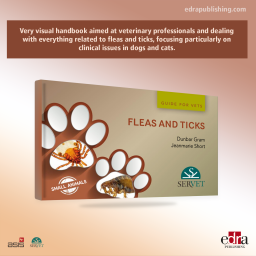
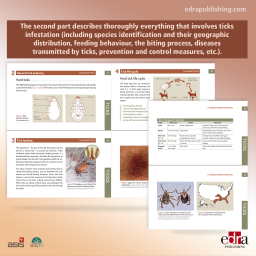
Very visual handbook aimed at veterinary professionals and dealing with everything related to fleas and ticks, focusing particularly on clinical issues in dogs and cats. The first part is entirely dedicated to fleas (including their identification, life cycle, clinical signs derived from flea infestation, flea allergy dermatitis (FAD), and prevention and control measures, among others). The second part describes thoroughly everything that involves ticks infestation (including species identification and their geographic distribution, feeding behaviour, the biting process, diseases transmitted by ticks, prevention and control measures, etc.).
This practical text on small animal dermatology provides the knowledge necessary to successfully diagnose and treat the most common skin diseases, which can account for up to 90% of veterinary consultations. This information is presented together with numerous images as well as a large number of diagnostic algorithms, which add to the practical value of the book.