Stress, compassion...
There is a need to publicize the syndromes occurring in veterinary personnel due to work-related stress. Vets are apathetic or leaving the profession.
Active filters
There is a need to publicize the syndromes occurring in veterinary personnel due to work-related stress. Vets are apathetic or leaving the profession.
This edition of the Veterinary suture handbook expands the contents of the previous edition with updated and more practical information. It includes basic aspects such as the different types of sutures, their characteristics and those of the instruments used, and the latest and most innovative materials. It also provides detailed descriptions of their use and advice on how to apply them to ensure the best results. In addition, the authors give greater relevance to the suturing of the different organs according to their characteristics and to new techniques, and a whole chapter is dedicated to eye surgery.
Visual guide to the recognition, description and interpretation of lesions of the digestive apparatus of pigs. Integrates macroscopic and microscopic findings associated with lesions that develop during the course of various pathological processes. Brief descriptions of the main anatomopathological features of each image are provided, which is essential for proper understanding of the disease process, diagnosis and underlying causes.
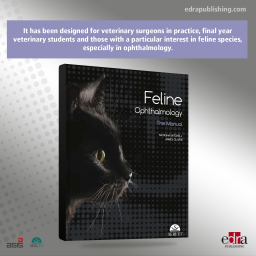
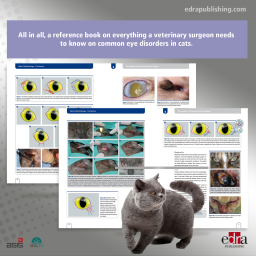
There is no doubt that cats are more and more popular as pets nowadays. It is therefore mandatory for veterinary surgeons to increase their knowledge on the diseases most frequently seen in feline practice. For that reason, the aim of this book is to provide the clinician with a visual guide to accurately diagnose and treat the most common ophthalmological eye disorders in cats. Feline Ophthalmology – The Manual is designed for veterinary surgeons in practice, final year veterinary students and those with a particular interest in feline species, especially in ophthalmology.
Successfully managing emergency patients and those with critical illness requires knowledge and skills often not adequately covered in veterinary and veterinary technician training programs. The Authors have created a comprehensive resource to use to grasp the issues and scope of problems inevitably encountered in clinical practice. The book's format is designed to allow readers to digest the broad range of topics inherent to feline emergency and critical care medicine.