The GAVeCeLT manual of...
The use of intravenous access devices is fundamental for all patients needing frequent blood sample collection, artificial nutrition, chemotherapy, antibiotic therapy, and any other intravenous treatment.
Active filters
The use of intravenous access devices is fundamental for all patients needing frequent blood sample collection, artificial nutrition, chemotherapy, antibiotic therapy, and any other intravenous treatment.
Small handbook gathering all the life cycles of the most common ectoparasites in dogs and cats. Similar parasites are grouped together based on their life cycle and, consequently, their sensitivity to parasiticides. The aim is to provide readers with key aspects of parasite control and prevention, highlighting those diseases that can be transmitted by them. Geographic distribution maps are also included.
Handbook entirely dedicated to parasitology and parasitic diseases in bovine species based on a handy, visual approach of the topic. It includes the most essential contents and many significant tips and graphic resources (life cycles, clinical signs, diagnosis, treament guidelines, etc.) to turn this atlas into a reference in its field.
This is a pioneering book in veterinary medicine. The reader will be able to visualize what really is happening in a diseased heart. Through three-dimensional representation and augmented reality; every disorder can be seen, almost touching the 3D model above the book. The pathologies' changes in blood flow can be visualized, bringing the reader even closer to the pathophysiological reality. The text addresses the major points of pathophysiology and diagnostic keys for the most common diseases, and the illustrations and pictures are a bridge between the 3D models and the text. Thus, the book succeeds in joining diagnosis, particularly a test such as echocardiography, to understand the pathophysiology.
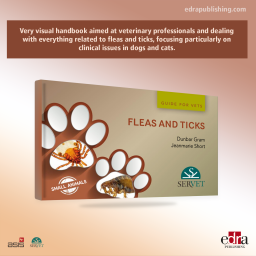
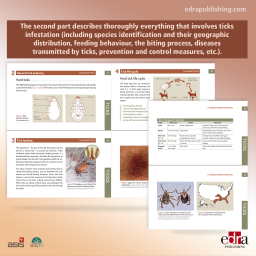
Very visual handbook aimed at veterinary professionals and dealing with everything related to fleas and ticks, focusing particularly on clinical issues in dogs and cats. The first part is entirely dedicated to fleas (including their identification, life cycle, clinical signs derived from flea infestation, flea allergy dermatitis (FAD), and prevention and control measures, among others). The second part describes thoroughly everything that involves ticks infestation (including species identification and their geographic distribution, feeding behaviour, the biting process, diseases transmitted by ticks, prevention and control measures, etc.).
A visual atlas which describes –day by day– the hole process of embryonic development in order to be able to identify critical points in this process so a final and correct diagnosis can be established.
This book has been created for everyone passionate about veterinary dermatology. Written by veterinary experts, this resource will explore the diagnostic thinking process. This practical book describes complex dermatological clinical cases through the evaluation of their clinical presentation, results of diagnostic procedures and treatment strategies. Fully illustrated with colour pictures, it also includes tables and clinical keys.