The GAVeCeLT manual of...
The use of intravenous access devices is fundamental for all patients needing frequent blood sample collection, artificial nutrition, chemotherapy, antibiotic therapy, and any other intravenous treatment.
Active filters
The use of intravenous access devices is fundamental for all patients needing frequent blood sample collection, artificial nutrition, chemotherapy, antibiotic therapy, and any other intravenous treatment.
The ten chapters of the volume answer these ten fundamental questions and the clinician who faces an apical pathology of endodontic origin will therefore have the solutions. The aim of this text/atlas is to provide a guide to the diagnostic approach and to the execution of endodontic retreatments of complex cases.
Small handbook gathering all the life cycles of the most common ectoparasites in dogs and cats. Similar parasites are grouped together based on their life cycle and, consequently, their sensitivity to parasiticides. The aim is to provide readers with key aspects of parasite control and prevention, highlighting those diseases that can be transmitted by them. Geographic distribution maps are also included.
This book aims at providing an updated overview on the most frequent pathogens responsible for Porcine Respiratory Disease Complex (PRDC), viruses and bacteria, acting in association and mainly potentiating their anatomical and functional effects and worsening the clinical outcome and economic impact. The authors, prestigious and rewarded experts with a wide experience in respiratory diseases in pigs, have focused their efforts on preparing chapters that illustrate the latest information and data on the treated topics, while making them as readable as possible. The book inspires to facilitate comprehension and educational enrichment to the preparation of a well-designed, practical approach.
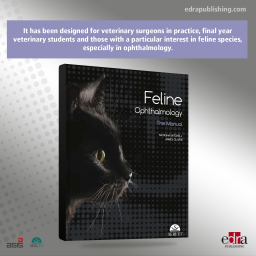
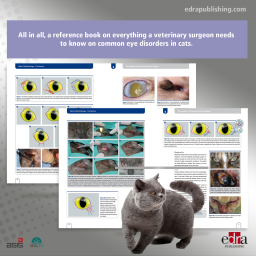
There is no doubt that cats are more and more popular as pets nowadays. It is therefore mandatory for veterinary surgeons to increase their knowledge on the diseases most frequently seen in feline practice. For that reason, the aim of this book is to provide the clinician with a visual guide to accurately diagnose and treat the most common ophthalmological eye disorders in cats. Feline Ophthalmology – The Manual is designed for veterinary surgeons in practice, final year veterinary students and those with a particular interest in feline species, especially in ophthalmology.