The GAVeCeLT manual of...
The use of intravenous access devices is fundamental for all patients needing frequent blood sample collection, artificial nutrition, chemotherapy, antibiotic therapy, and any other intravenous treatment.
Active filters
The use of intravenous access devices is fundamental for all patients needing frequent blood sample collection, artificial nutrition, chemotherapy, antibiotic therapy, and any other intravenous treatment.
Small handbook gathering all the life cycles of the most common ectoparasites in dogs and cats. Similar parasites are grouped together based on their life cycle and, consequently, their sensitivity to parasiticides. The aim is to provide readers with key aspects of parasite control and prevention, highlighting those diseases that can be transmitted by them. Geographic distribution maps are also included.
In this practical atlas, the description of the anatomy of the dog’s joints provided in the previous edition has been completed and complemented with new tools, 3D animations, and self-evaluation tests that will help readers acquire knowledge and form a better understanding of joint anatomy and function – elements of great importance for each dog’s physical health and well-being.
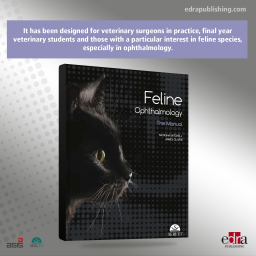
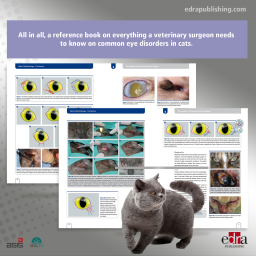
There is no doubt that cats are more and more popular as pets nowadays. It is therefore mandatory for veterinary surgeons to increase their knowledge on the diseases most frequently seen in feline practice. For that reason, the aim of this book is to provide the clinician with a visual guide to accurately diagnose and treat the most common ophthalmological eye disorders in cats. Feline Ophthalmology – The Manual is designed for veterinary surgeons in practice, final year veterinary students and those with a particular interest in feline species, especially in ophthalmology.
When unpredictable, catastrophic and disabling events happen into all sectors of the economy and social life, the impact of the change becomes immediate, with an acceleration of the processes that almost always leads to a concentration and restructuring of the activities. In our case of the dental offer. In the next future it will occur a physiological reduction of the dental offices that will be larger on average, organized, competitive, entrepreneurial. In this context matters relating to management and business economics should become part of the cultural heritage of dentists, at least those who run their own business.