The GAVeCeLT manual of...
The use of intravenous access devices is fundamental for all patients needing frequent blood sample collection, artificial nutrition, chemotherapy, antibiotic therapy, and any other intravenous treatment.
Active filters
The use of intravenous access devices is fundamental for all patients needing frequent blood sample collection, artificial nutrition, chemotherapy, antibiotic therapy, and any other intravenous treatment.
Electrocardiography of the dog and cat, 2nd edition provides all the theoretical and practical information necessary to understand and identify rhythm abnormalities. This text will be particularly useful to accurately diagnose complex arrhythmias using precise electrocardiographic criteria that the authors have developed by confirming mechanisms of arrhythmias with intracardiac electrophysiologic studies. This book is a must-have reference for anyone interested in learning the basics of electrocardiography and those who face the challenge of interpreting the most complex arrhythmias in a clinical or research setting.
Small handbook gathering all the life cycles of the most common ectoparasites in dogs and cats. Similar parasites are grouped together based on their life cycle and, consequently, their sensitivity to parasiticides. The aim is to provide readers with key aspects of parasite control and prevention, highlighting those diseases that can be transmitted by them. Geographic distribution maps are also included.
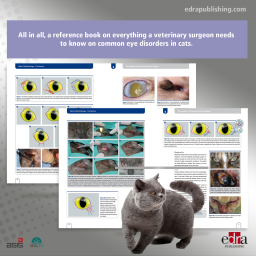
There is no doubt that cats are more and more popular as pets nowadays. It is therefore mandatory for veterinary surgeons to increase their knowledge on the diseases most frequently seen in feline practice. For that reason, the aim of this book is to provide the clinician with a visual guide to accurately diagnose and treat the most common ophthalmological eye disorders in cats. Feline Ophthalmology – The Manual is designed for veterinary surgeons in practice, final year veterinary students and those with a particular interest in feline species, especially in ophthalmology.
The goal of this work is to present the reader with the most common diseases that can produce immunosuppression in poultry, provide guidance for the diagnosis of immunosuppressive diseases, and examine the challenges that a diagnostician may face in confirming a diagnosis of immunosuppression. The book will feature an extensive collection of color photographs depicting gross and microscopic images.