The GAVeCeLT manual of...
The use of intravenous access devices is fundamental for all patients needing frequent blood sample collection, artificial nutrition, chemotherapy, antibiotic therapy, and any other intravenous treatment.
Active filters
The use of intravenous access devices is fundamental for all patients needing frequent blood sample collection, artificial nutrition, chemotherapy, antibiotic therapy, and any other intravenous treatment.
The introduction of osseointegrated dental implants soon 50 years ago has indeed revolutionized dentistry. The scientific evaluation of their use has shown good and increasingly successful treatment outcomes. A prerequisite though is the availability of sufficient bone volumes to ensure integration and acceptable aesthetic results. In this book various surgical techniques, using different augmentation materials, are described and explained. The aim has been to highlight minimally invasive surgical techniques, which leads to less risk of morbidity and reduces treatment time. Readers will enjoy a comprehensive atlas providing some practical advice for everyday surgical practice based on solid scientific evidence.
Small handbook gathering all the life cycles of the most common ectoparasites in dogs and cats. Similar parasites are grouped together based on their life cycle and, consequently, their sensitivity to parasiticides. The aim is to provide readers with key aspects of parasite control and prevention, highlighting those diseases that can be transmitted by them. Geographic distribution maps are also included.
Visual guide to the recognition, description and interpretation of lesions of the digestive apparatus of pigs. Integrates macroscopic and microscopic findings associated with lesions that develop during the course of various pathological processes. Brief descriptions of the main anatomopathological features of each image are provided, which is essential for proper understanding of the disease process, diagnosis and underlying causes.
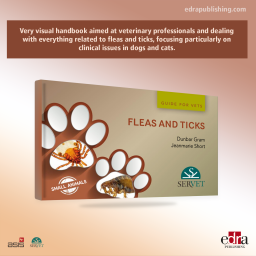
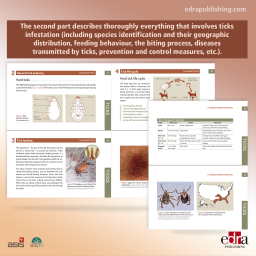
Very visual handbook aimed at veterinary professionals and dealing with everything related to fleas and ticks, focusing particularly on clinical issues in dogs and cats. The first part is entirely dedicated to fleas (including their identification, life cycle, clinical signs derived from flea infestation, flea allergy dermatitis (FAD), and prevention and control measures, among others). The second part describes thoroughly everything that involves ticks infestation (including species identification and their geographic distribution, feeding behaviour, the biting process, diseases transmitted by ticks, prevention and control measures, etc.).
This book provides veterinary surgeons with a global perspective on obesity in dogs and cats. Moreover, the information and therapeutic strategies presented within can help ensure that pet owners become fully involved in improving the health of their pets.