Direct Microscopy in...
Fresh, direct, and phase-contrast microscopy is an easy-to-perform, replicable, and economical diagnostic technique included in the guidelines of the Centers of Disease Control of Atlanta in 2015
Active filters
Fresh, direct, and phase-contrast microscopy is an easy-to-perform, replicable, and economical diagnostic technique included in the guidelines of the Centers of Disease Control of Atlanta in 2015
Practical handbook focused on the main uterine diseases affecting cattle and written by renowned authors with a wide experience in the control of these diseases in the field. Up-to-date information is provided for all these pathologies (clinical metritis, clinical/subclinical endometritis, pyometra...), with an emphasis on their diagnosis and treatment.
The cow’s peripartum period from a practical and dynamic point of view, explained through theoretical explanations and a huge collection of clinical cases. Normally, disorders or conditions occurring in the peripartum period are not independent events; they are the result of the interaction of several events occurring over time. The authors highlight here the importance of assessing bovine pathologies as a whole. It is the only manner for the clinician to anticipate conditions that may appear during the peripartum period.
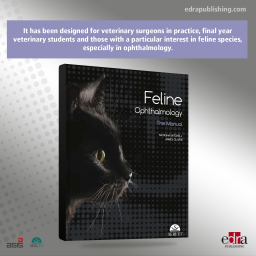
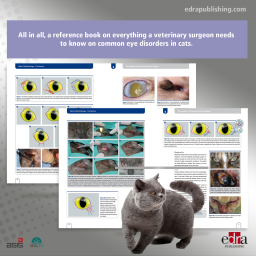
There is no doubt that cats are more and more popular as pets nowadays. It is therefore mandatory for veterinary surgeons to increase their knowledge on the diseases most frequently seen in feline practice. For that reason, the aim of this book is to provide the clinician with a visual guide to accurately diagnose and treat the most common ophthalmological eye disorders in cats. Feline Ophthalmology – The Manual is designed for veterinary surgeons in practice, final year veterinary students and those with a particular interest in feline species, especially in ophthalmology.
Infectious bronchitis is an acute and highly contagious respiratory disease of chickens characterized by respiratory signs comprising gasping, coughing, sneezing, tracheal rales and nasal discharge. In addition, severe respiratory distress may occur in young chickens. Respiratory distress, decrease in egg production, and loss of internal egg quality and eggshell quality have been reported in layers. Some strains of the virus produce severe kidney damage and may be associated with high mortality.