The GAVeCeLT manual of...
The use of intravenous access devices is fundamental for all patients needing frequent blood sample collection, artificial nutrition, chemotherapy, antibiotic therapy, and any other intravenous treatment.
Active filters
The use of intravenous access devices is fundamental for all patients needing frequent blood sample collection, artificial nutrition, chemotherapy, antibiotic therapy, and any other intravenous treatment.
Small handbook gathering all the life cycles of the most common ectoparasites in dogs and cats. Similar parasites are grouped together based on their life cycle and, consequently, their sensitivity to parasiticides. The aim is to provide readers with key aspects of parasite control and prevention, highlighting those diseases that can be transmitted by them. Geographic distribution maps are also included.
This illustrated work has the aim to assist the veterinary surgeon with his/her communication with the pet owner. Following the last book spirit dedicated to the surgery, in this atlas, the drawings about internal and external parasites of dogs and cats will make easier the explanations of the veterinary surgeon to his/her customers, as well as the control, prevention, and treatment plans that the veterinary surgeon needs to set up in some cases. The clarity and accuracy of the drawings, designed to make understandable and to reduce the time spent on the explanations to the pet owner, make this atlas another useful clinical tool. This book is aimed at veterinary surgeons, students, teachers, and professionals in this field.
Handbook entirely dedicated to parasitology and parasitic diseases in bovine species based on a handy, visual approach of the topic. It includes the most essential contents and many significant tips and graphic resources (life cycles, clinical signs, diagnosis, treament guidelines, etc.) to turn this atlas into a reference in its field.
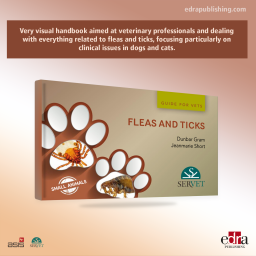
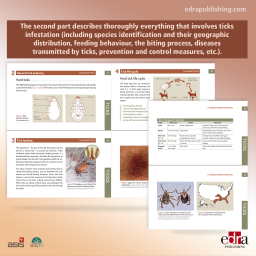
Very visual handbook aimed at veterinary professionals and dealing with everything related to fleas and ticks, focusing particularly on clinical issues in dogs and cats. The first part is entirely dedicated to fleas (including their identification, life cycle, clinical signs derived from flea infestation, flea allergy dermatitis (FAD), and prevention and control measures, among others). The second part describes thoroughly everything that involves ticks infestation (including species identification and their geographic distribution, feeding behaviour, the biting process, diseases transmitted by ticks, prevention and control measures, etc.).
The most updated information on avian influenza with a practical approach. The authors review the aetiology, clinical signs, diagnosis, and control of avian influenza viruses. It also includes numerous graphic resources to make the contents more understandable to readers.
Presentation Seizure disorders are common in small animal practice. The purpose of this book is to provide a comprehensive, evidence-based resource to assist in the successful management of recurrent seizures in dogs and cats. The book’s format is designed to present a logical, clinically relevant approach to a seizure patient, with detailed information on the broad range of topics involved in the diagnosis and treatment of seizure disorders. The clinical and diagnostic approach to the seizure patient is discussed in depth, with dedicated chapters on idiopathic epilepsy in dogs, the genetics of epilepsy, feline epilepsy, quality of life, advanced imaging and electroencephalography.