The GAVeCeLT manual of...
The use of intravenous access devices is fundamental for all patients needing frequent blood sample collection, artificial nutrition, chemotherapy, antibiotic therapy, and any other intravenous treatment.
Active filters
The use of intravenous access devices is fundamental for all patients needing frequent blood sample collection, artificial nutrition, chemotherapy, antibiotic therapy, and any other intravenous treatment.
In clinical medicine and in emergency medicine especially, is crucial to understand and manage the acid-base and electrolyte disorders. This text, the result of years of clinical and educational activity, is organized in three parts: acid-base balance, water and sodium and electrolytes. Clinical interpretation and therapy are discussed through clinical cases that are the main educational tools.
Small handbook gathering all the life cycles of the most common ectoparasites in dogs and cats. Similar parasites are grouped together based on their life cycle and, consequently, their sensitivity to parasiticides. The aim is to provide readers with key aspects of parasite control and prevention, highlighting those diseases that can be transmitted by them. Geographic distribution maps are also included.
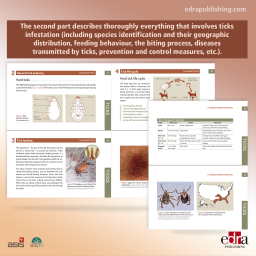
Very visual handbook aimed at veterinary professionals and dealing with everything related to fleas and ticks, focusing particularly on clinical issues in dogs and cats. The first part is entirely dedicated to fleas (including their identification, life cycle, clinical signs derived from flea infestation, flea allergy dermatitis (FAD), and prevention and control measures, among others). The second part describes thoroughly everything that involves ticks infestation (including species identification and their geographic distribution, feeding behaviour, the biting process, diseases transmitted by ticks, prevention and control measures, etc.).
This atlas provides an up-to-date review of avian coccidiosis: its aetiology, epidemiology, clinical signs, etc. Special emphasis has been placed on the diagnosis and control of coccidiosis on poultry farms, with information about the techniques designed to detect coccidia and the current vaccination programmes.
This Servet clinical guide on chronic kidney disease provides veterinary surgeons with the most up-to-date information on this disease, based on which they can establish diagnosis and select the most appropriate treatment for each patient. Readers are provided with a series of guidelines that will help them develop an effective relationship with the owner and explain the key aspects of their pet’s disease.