The GAVeCeLT manual of...
The use of intravenous access devices is fundamental for all patients needing frequent blood sample collection, artificial nutrition, chemotherapy, antibiotic therapy, and any other intravenous treatment.
Active filters
The use of intravenous access devices is fundamental for all patients needing frequent blood sample collection, artificial nutrition, chemotherapy, antibiotic therapy, and any other intravenous treatment.
Small handbook gathering all the life cycles of the most common ectoparasites in dogs and cats. Similar parasites are grouped together based on their life cycle and, consequently, their sensitivity to parasiticides. The aim is to provide readers with key aspects of parasite control and prevention, highlighting those diseases that can be transmitted by them. Geographic distribution maps are also included.
Written by one of the most eminent specialists in Spain, this book enables veterinary surgeons to further their knowledge in physiotherapy and veterinary rehabilitation, as well as to discover the possibilities offered by this discipline in the treatment of musculoskeletal and nervous pathologies in pets.
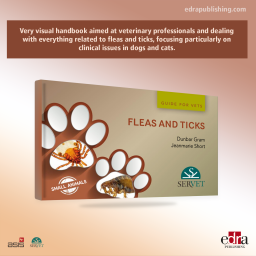
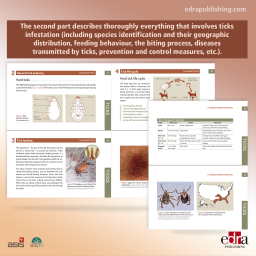
Very visual handbook aimed at veterinary professionals and dealing with everything related to fleas and ticks, focusing particularly on clinical issues in dogs and cats. The first part is entirely dedicated to fleas (including their identification, life cycle, clinical signs derived from flea infestation, flea allergy dermatitis (FAD), and prevention and control measures, among others). The second part describes thoroughly everything that involves ticks infestation (including species identification and their geographic distribution, feeding behaviour, the biting process, diseases transmitted by ticks, prevention and control measures, etc.).
This book provides an understanding of climate change and other contributing factors in the emergence/reemergence of parasitic diseases in companion animals. It describes the known changes in the epidemiology of key parasite infections and highlights zoonotic threats, and is therefore a valuable resource for veterinary practitioners to manage risks and keep abreast of emerging/reemerging parasitic diseases of pets.