The GAVeCeLT manual of...
The use of intravenous access devices is fundamental for all patients needing frequent blood sample collection, artificial nutrition, chemotherapy, antibiotic therapy, and any other intravenous treatment.
Active filters
The use of intravenous access devices is fundamental for all patients needing frequent blood sample collection, artificial nutrition, chemotherapy, antibiotic therapy, and any other intravenous treatment.
Small handbook gathering all the life cycles of the most common ectoparasites in dogs and cats. Similar parasites are grouped together based on their life cycle and, consequently, their sensitivity to parasiticides. The aim is to provide readers with key aspects of parasite control and prevention, highlighting those diseases that can be transmitted by them. Geographic distribution maps are also included.
Visual guide to the recognition, description and interpretation of lesions of the digestive apparatus of pigs. Integrates macroscopic and microscopic findings associated with lesions that develop during the course of various pathological processes. Brief descriptions of the main anatomopathological features of each image are provided, which is essential for proper understanding of the disease process, diagnosis and underlying causes.
This book is part of the Servet Clinical Guides collection, in which each volume compiles the most relevant material on the subject matter covered. This volume focuses on dermatology and is centered on the management of allergic patients. This new collection was created with the objective of helping veterinary surgeons during consultations and providing them with useful information to establish a good relationship with clients. The goal is to give answers to owners’ most frequently asked questions in order to guide them in the best possible manner, as well as to help veterinary surgeons ensure owners complete the patients’ prescribed treatments and maintain effective clinical monitoring of all processes.
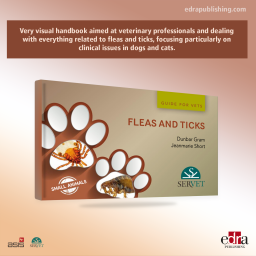
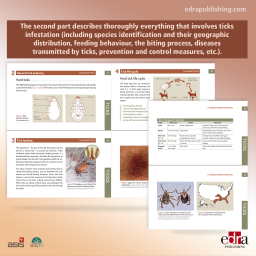
Very visual handbook aimed at veterinary professionals and dealing with everything related to fleas and ticks, focusing particularly on clinical issues in dogs and cats. The first part is entirely dedicated to fleas (including their identification, life cycle, clinical signs derived from flea infestation, flea allergy dermatitis (FAD), and prevention and control measures, among others). The second part describes thoroughly everything that involves ticks infestation (including species identification and their geographic distribution, feeding behaviour, the biting process, diseases transmitted by ticks, prevention and control measures, etc.).