The GAVeCeLT manual of...
The use of intravenous access devices is fundamental for all patients needing frequent blood sample collection, artificial nutrition, chemotherapy, antibiotic therapy, and any other intravenous treatment.
Active filters
The use of intravenous access devices is fundamental for all patients needing frequent blood sample collection, artificial nutrition, chemotherapy, antibiotic therapy, and any other intravenous treatment.
In clinical medicine and in emergency medicine especially, is crucial to understand and manage the acid-base and electrolyte disorders. This text, the result of years of clinical and educational activity, is organized in three parts: acid-base balance, water and sodium and electrolytes. Clinical interpretation and therapy are discussed through clinical cases that are the main educational tools.
This book deals with pain in companion animals and how it affects their welfare, health and, of course, behaviour. It describes the difficulties encountered, throughout history, to finally reach the conclusion that animals and humans share the same neurophy- siological mechanisms to feel pain, and what their sensitive pathways are. It then goes deeper into the changes that pain can cause in the behaviour of dogs and cats and the tools available to the veterinary surgeon to control it.
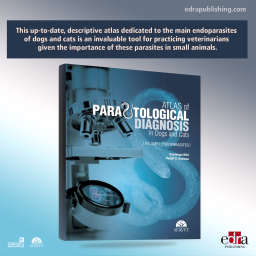
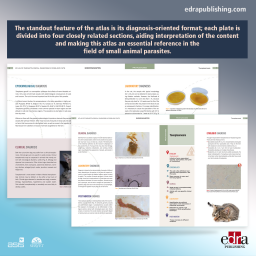
This up-to-date, descriptive atlas dedicated to the main endoparasites of dogs and cats is an invaluable tool for practicing veterinarians given the importance of these parasites in small animals. The authors, renowned specialists in the field, discuss the most salient aspects of each parasite and use visual aids to describe in practical terms the best means of detection and treatment. The standout feature of the atlas is its diagnosis-oriented format; each plate is divided into four closely related sections, aiding interpretation of the content and making this atlas an essential reference in the field of small animal parasites.
This book is intended as a practical guide to enable small animal clinical veterinary surgeons and their teams to improve various aspects of their everyday practice: how they understand and relate to patients and clients, how they manage their work, the handling of animals during different procedures, and the implementation of programs to deal with behavioral issues. These aspects will have a highly positive impact on the well-being of the patient, the client, and the veterinary and support staff, with the implementation of smoother and more effective procedures.