The GAVeCeLT manual of...
The use of intravenous access devices is fundamental for all patients needing frequent blood sample collection, artificial nutrition, chemotherapy, antibiotic therapy, and any other intravenous treatment.
Filtres actifs
The use of intravenous access devices is fundamental for all patients needing frequent blood sample collection, artificial nutrition, chemotherapy, antibiotic therapy, and any other intravenous treatment.
A visual guide with a strongly educational approach covering the main joints in the limbs of the dog. It shows the anatomical elements of each of these joints in three-dimensional diagrams. The views chosen for each case have been selected for a practical purpose, showing the position of the elements involved in the most commonly used surgical approaches. It also describes the key orthopaedic conditions affecting each joint and the most commonly used surgical approaches. It contains a large number of images and illustrations, and a selection of views presented in digital video format.
This atlas describes the avian necropsy technique in a detailed and systematic manner. It also provides information about the pathologies commonly observed in poultry at the slaughterhouse, as well as guidelines on how to collect samples for diagnostic tests. This updated edition includes, in addition to more than 200 images, explanatory videos to obtain the maximum diagnostic yield.
The goal of this work is to present the reader with the most common diseases that can produce immunosuppression in poultry, provide guidance for the diagnosis of immunosuppressive diseases, and examine the challenges that a diagnostician may face in confirming a diagnosis of immunosuppression. The book will feature an extensive collection of color photographs depicting gross and microscopic images.
General dental practice has never been more interesting, and the field of tooth wear satisfies so many aspects of the skills we are trained to use. It requires detective work and lateral thinking, empathy, and listening. Most of all, it’s about offering confidence and reassurance to patients who are often discovering for the first time that chemical and physical forces are damaging their teeth.
But not all tooth wear needs treatment. How then, does a clinician make the distinction, and what drives us to intervene? This book will weigh all aspects of the treatment options and the motivation for managing tooth wear. Above all, it focus on biologic, functional, and ethical rationale with the goal of enamel conservation and protection at the forefront.
The centrality of nutrition in the state of health of pets has emerged only in the recent years, both to prolong their life expectancy and to prevent the onset of serious diseases such as obesity, diabetes mellitus or liver lipidosis. The goal of this book is that each veterinarian can clearly answer the questions that are most frequently asked by the owners: Which type of food to choose? How to navigate between the different products on the market? The text also provides real recipes to be proposed in synergy with the nutritional handbooks of various food manufacturers, to consciously choose and be able to compare the nutritional characteristics of different products on the market.
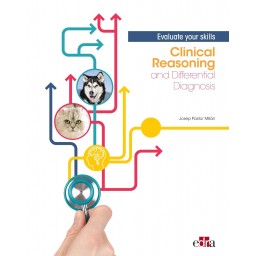
After explaining how clinical reasoning can be applied to identify a patient’s problems, focus on the most relevant issue, and determine its causes, this book describes complex case studies from a physiological and diagnostic perspective. Readers will be asked to answer a series of questions in order to assess their knowledge and acquire the necessary skills for properly establishing a diagnosis.
This volume of the Pet Owner Educational Atlas series covers the most frequent oral and dental pathologies seen in small animal practice. Pets with dental pathologies usually do not lose their appetite and owners often do not detect if their pet is suffering from oral discomfort or pain. Therefore, early diagnosis of dental pathologies is of vital importance. This book allows veterinarians to explain the importance of early diagnosis to owners, as well as details of their pet’s condition, its possible consequences, and the different treatment options available, among other relevant issues.