The GAVeCeLT manual of...
The use of intravenous access devices is fundamental for all patients needing frequent blood sample collection, artificial nutrition, chemotherapy, antibiotic therapy, and any other intravenous treatment.
Filtres actifs
The use of intravenous access devices is fundamental for all patients needing frequent blood sample collection, artificial nutrition, chemotherapy, antibiotic therapy, and any other intravenous treatment.
This handbook complements the former book by the same author, Swine disorders guide, published by Servet in 2014. This new guide is focused on the diagnosis of swine disorders, including clinical examination and clinical signs, and includes a deep review of the main disorders according to their clinical signs.
This practical book thoroughly reviews the current knowledge on salmonellosis in swine, and discusses the difficulty to control Salmonella spp. from a global perspective. It provides information about the actions that can be taken in order to reduce its incidence, with an emphasis on risk factors from feed manufacturing to carcass processing.
There are very few books on biosecurity and this one details the subject explaining why but more seriously providing practical advice on how to complete a review of the biosecurity measures required on a modern pig farm. The aim of this book is to be an easy reference guide for those involved in maintaining the health status of pig farms including abundant guidelines, advice sheets, flowcharts and pictures.
This guide is presented as a series of advice sheets that provide rapid information in a format easily understood by every member of the farm team. It includes sheets to aid the stockmanship as well as the checking and auditing of biosecurity standards that are considered as the foundation stone of health on a pig farm.
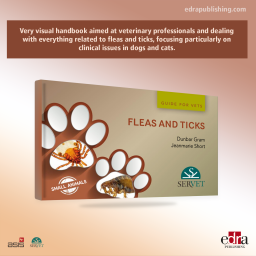
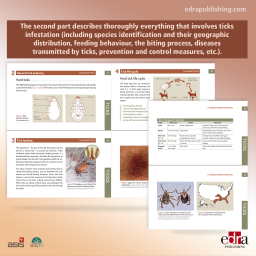
Very visual handbook aimed at veterinary professionals and dealing with everything related to fleas and ticks, focusing particularly on clinical issues in dogs and cats. The first part is entirely dedicated to fleas (including their identification, life cycle, clinical signs derived from flea infestation, flea allergy dermatitis (FAD), and prevention and control measures, among others). The second part describes thoroughly everything that involves ticks infestation (including species identification and their geographic distribution, feeding behaviour, the biting process, diseases transmitted by ticks, prevention and control measures, etc.).
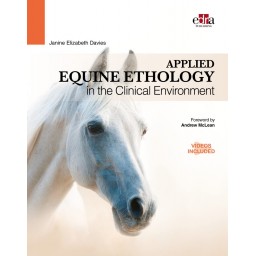
The book has been designed to guide professionals through the behavioural assessment of the equine patient during clinical procedures and gain an understanding of how to develop a behavioural management strategy, which is the most appropriate for each individual horse and suitable for the type of procedure to be performed. The text will be accompanied by technical illustrations, images, and practical video clips.
This volume of the Pet Owner Educational Atlas series covers the most frequent oral and dental pathologies seen in small animal practice. Pets with dental pathologies usually do not lose their appetite and owners often do not detect if their pet is suffering from oral discomfort or pain. Therefore, early diagnosis of dental pathologies is of vital importance. This book allows veterinarians to explain the importance of early diagnosis to owners, as well as details of their pet’s condition, its possible consequences, and the different treatment options available, among other relevant issues.