The GAVeCeLT manual of...
The use of intravenous access devices is fundamental for all patients needing frequent blood sample collection, artificial nutrition, chemotherapy, antibiotic therapy, and any other intravenous treatment.
Filtres actifs
The use of intravenous access devices is fundamental for all patients needing frequent blood sample collection, artificial nutrition, chemotherapy, antibiotic therapy, and any other intravenous treatment.
A visual and practical guide on swine leptospirosis aimed at field practitioners to assess and review the current situation of this disease. This book, written by an expert with extensive experience in the management of this disease, describes the most relevant aspects of the aetiology, epidemiology, pathogenesis, clinical picture, lesions, diagnosis, treatment and control of the disease.
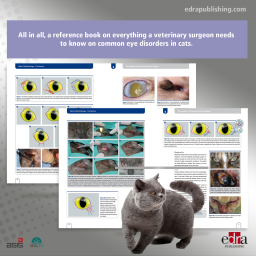
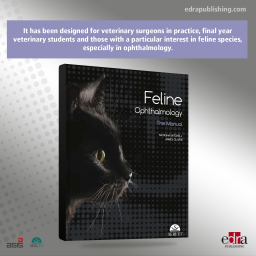
There is no doubt that cats are more and more popular as pets nowadays. It is therefore mandatory for veterinary surgeons to increase their knowledge on the diseases most frequently seen in feline practice. For that reason, the aim of this book is to provide the clinician with a visual guide to accurately diagnose and treat the most common ophthalmological eye disorders in cats. Feline Ophthalmology – The Manual is designed for veterinary surgeons in practice, final year veterinary students and those with a particular interest in feline species, especially in ophthalmology.
The goal of this work is to present the reader with the most common diseases that can produce immunosuppression in poultry, provide guidance for the diagnosis of immunosuppressive diseases, and examine the challenges that a diagnostician may face in confirming a diagnosis of immunosuppression. The book will feature an extensive collection of color photographs depicting gross and microscopic images.
The centrality of nutrition in the state of health of pets has emerged only in the recent years, both to prolong their life expectancy and to prevent the onset of serious diseases such as obesity, diabetes mellitus or liver lipidosis. The goal of this book is that each veterinarian can clearly answer the questions that are most frequently asked by the owners: Which type of food to choose? How to navigate between the different products on the market? The text also provides real recipes to be proposed in synergy with the nutritional handbooks of various food manufacturers, to consciously choose and be able to compare the nutritional characteristics of different products on the market.