The GAVeCeLT manual of...
The use of intravenous access devices is fundamental for all patients needing frequent blood sample collection, artificial nutrition, chemotherapy, antibiotic therapy, and any other intravenous treatment.
Filtres actifs
The use of intravenous access devices is fundamental for all patients needing frequent blood sample collection, artificial nutrition, chemotherapy, antibiotic therapy, and any other intravenous treatment.
Handy and rigorous book focused on the diagnosis of the main diseases affecting poultry through a practical and visual approach of the topic, and written by prestigious experts with a wide experience in this field. Each disease has been thoroughly reviewed including the most updated information (clinical signs, gross and microscopic pathology, as well as methods of isolation or detection of the etiologic agent(s) and serologic methods for antibody detection) to better understand the content. Numerous graphic resources (images, graphs, tables, flowcharts) have been included to complement the information provided and make the contents understandable and accessible to readers.
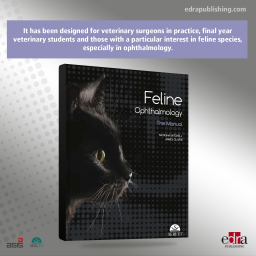
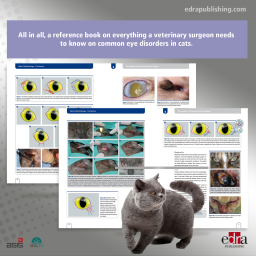
There is no doubt that cats are more and more popular as pets nowadays. It is therefore mandatory for veterinary surgeons to increase their knowledge on the diseases most frequently seen in feline practice. For that reason, the aim of this book is to provide the clinician with a visual guide to accurately diagnose and treat the most common ophthalmological eye disorders in cats. Feline Ophthalmology – The Manual is designed for veterinary surgeons in practice, final year veterinary students and those with a particular interest in feline species, especially in ophthalmology.
Diseases of the liver and pancreas can cause a degree of despair in veterinary practitioners: so much about the causes and treatments of these diseases is poorly understood, and too many cases remain idiopathic. This book guides both first and second opinion practitioners through clinical assessments and workups, preventing oversight of potential underlying causes. Subsequent sections meticulously delve into pancreatic and liver diseases, encompassing clinical pathology, imaging, biopsy acquisition, cytology, and histology, all expertly elucidated by specialists.
The aim of this guide is to provide both the vet and the student with a quick reference guide to enable them to easily recognise the most common ophthalmological ailments seen in daily practice. The more than 700 images shown in this guide belong to real cases