
- Livres en français
-
Livres en anglais
- Dentistry Books
- Medicine Books
-
Veterinary Books
-
Companion Animals
- Anaesthesia/Analgesia
- Anatomy
- Cytology/Laboratorial
- Veterinary Dentistry
- Diagnostic imaging
- Emergency
- Endocrinology/Reproduction
- Equine
- Ethology
- Infectious diseasesand immunology
- Nephrology/Urology
- Surgery and traumatology/Orthopaedics
- Nutrition
- Rehabilitation
- Parasites
- Ophthalmology
- Oncology
- Endocrinology
- Dermatology
- Cardiology
- Pet owner educationalatlas
- Senior care
- Surgery
- Management
- Livestock
- Management
-
Companion Animals
- Livres en français
-
Livres en anglais
- Dentistry Books
- Medicine Books
-
Veterinary Books
-
Companion Animals
- Anaesthesia/Analgesia
- Anatomy
- Cytology/Laboratorial
- Veterinary Dentistry
- Diagnostic imaging
- Emergency
- Endocrinology/Reproduction
- Equine
- Ethology
- Infectious diseasesand immunology
- Nephrology/Urology
- Surgery and traumatology/Orthopaedics
- Nutrition
- Rehabilitation
- Parasites
- Ophthalmology
- Oncology
- Endocrinology
- Dermatology
- Cardiology
- Pet owner educationalatlas
- Senior care
- Surgery
- Management
- Livestock
- Management
-
Companion Animals

Filtres actifs


Parasitology and...
Handbook entirely dedicated to parasitology and parasitic diseases in bovine species based on a handy, visual approach of the topic. It includes the most essential contents and many significant tips and graphic resources (life cycles, clinical signs, diagnosis, treament guidelines, etc.) to turn this atlas into a reference in its field.


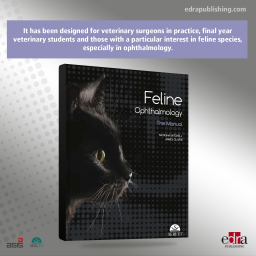
Feline Ophthalmology....
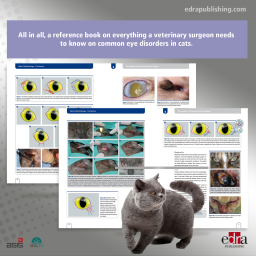
There is no doubt that cats are more and more popular as pets nowadays. It is therefore mandatory for veterinary surgeons to increase their knowledge on the diseases most frequently seen in feline practice. For that reason, the aim of this book is to provide the clinician with a visual guide to accurately diagnose and treat the most common ophthalmological eye disorders in cats. Feline Ophthalmology – The Manual is designed for veterinary surgeons in practice, final year veterinary students and those with a particular interest in feline species, especially in ophthalmology.

Patient-Reported...
Growing investments in healthcare do not necessarily produce corresponding improvements in the perceived health of their recipients, whether individual patients or society as a whole. Sometimes, even the opposite is true: growing investments in healthcare lead to lower benefits perceived by patients. How to quantify the health regained by patients? How to measure what for does it really matter to them, when physical health is not fully recoverable? How to help physician and administrators in identifying the correct objectives and improvements? What scientific instruments can estimate the prospect of patient and society in the allocation of limited resources?