The GAVeCeLT manual of...
The use of intravenous access devices is fundamental for all patients needing frequent blood sample collection, artificial nutrition, chemotherapy, antibiotic therapy, and any other intravenous treatment.
Filtres actifs
The use of intravenous access devices is fundamental for all patients needing frequent blood sample collection, artificial nutrition, chemotherapy, antibiotic therapy, and any other intravenous treatment.
This book is unique, developed by the main worldwide experts in this issue. It is an extremely valuable tool for any veterinary practitioner willing to deepen into physiopathology, clinical signs, diagnosis, treatment and prognosis of feline endocrine diseases, with an approach and contents never published so far. the most common endocrine conditions in cats are deeply discussed and addressed: hyperthyroidism, type-II diabetes mellitus, and growth hormone excess.
This practical book thoroughly reviews the current knowledge on salmonellosis in swine, and discusses the difficulty to control Salmonella spp. from a global perspective. It provides information about the actions that can be taken in order to reduce its incidence, with an emphasis on risk factors from feed manufacturing to carcass processing.
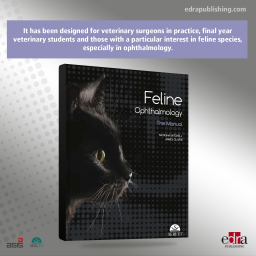
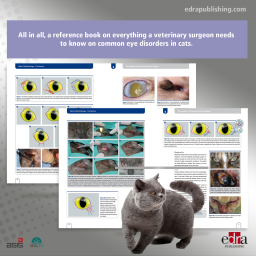
There is no doubt that cats are more and more popular as pets nowadays. It is therefore mandatory for veterinary surgeons to increase their knowledge on the diseases most frequently seen in feline practice. For that reason, the aim of this book is to provide the clinician with a visual guide to accurately diagnose and treat the most common ophthalmological eye disorders in cats. Feline Ophthalmology – The Manual is designed for veterinary surgeons in practice, final year veterinary students and those with a particular interest in feline species, especially in ophthalmology.
Infectious bronchitis is an acute and highly contagious respiratory disease of chickens characterized by respiratory signs comprising gasping, coughing, sneezing, tracheal rales and nasal discharge. In addition, severe respiratory distress may occur in young chickens. Respiratory distress, decrease in egg production, and loss of internal egg quality and eggshell quality have been reported in layers. Some strains of the virus produce severe kidney damage and may be associated with high mortality.