The GAVeCeLT manual of...
The use of intravenous access devices is fundamental for all patients needing frequent blood sample collection, artificial nutrition, chemotherapy, antibiotic therapy, and any other intravenous treatment.
Active filters
The use of intravenous access devices is fundamental for all patients needing frequent blood sample collection, artificial nutrition, chemotherapy, antibiotic therapy, and any other intravenous treatment.
Small handbook gathering all the life cycles of the most common ectoparasites in dogs and cats. Similar parasites are grouped together based on their life cycle and, consequently, their sensitivity to parasiticides. The aim is to provide readers with key aspects of parasite control and prevention, highlighting those diseases that can be transmitted by them. Geographic distribution maps are also included.
In this book, the most common fractures in the canine species and the way to solve them by osteosynthesis are described. The first six chapters are devoted to the general aspects of bone growth and healing, the following chapters set out the various alternatives to address fractures and the different applicable osteosynthesis systems.
In summary, this book, thanks to its structure, the tremendous amount of graphic material that it provides, the comprehensible language, and its eminently practical focus, is of great use to both veterinary students as well as professional veterinarians specialized in traumatology, which they will surely use to streamline their decision making in their daily traumatology practice.
This book describes a practical, simple work protocol which may be useful to most of those first-opinion veterinary practitioners who have to deal with cases of neoplasia in their practices. It combines the experience in clinical oncology of a first-opinion veterinary surgeon and the knowledge of a veterinary practitioner specialized in this field, and includes a wide variety of images of the most common tumours in small animals as well as in exotic species. Some key aspects such as how to collect and send samples to the laboratory, and basic surgical techniques in oncology are also addressed.
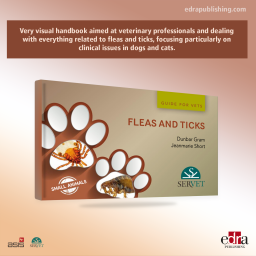
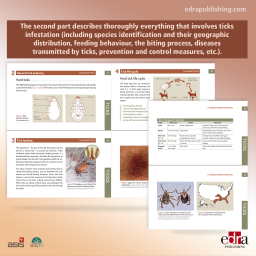
Very visual handbook aimed at veterinary professionals and dealing with everything related to fleas and ticks, focusing particularly on clinical issues in dogs and cats. The first part is entirely dedicated to fleas (including their identification, life cycle, clinical signs derived from flea infestation, flea allergy dermatitis (FAD), and prevention and control measures, among others). The second part describes thoroughly everything that involves ticks infestation (including species identification and their geographic distribution, feeding behaviour, the biting process, diseases transmitted by ticks, prevention and control measures, etc.).