The GAVeCeLT manual of...
The use of intravenous access devices is fundamental for all patients needing frequent blood sample collection, artificial nutrition, chemotherapy, antibiotic therapy, and any other intravenous treatment.
Active filters
The use of intravenous access devices is fundamental for all patients needing frequent blood sample collection, artificial nutrition, chemotherapy, antibiotic therapy, and any other intravenous treatment.
Small handbook gathering all the life cycles of the most common ectoparasites in dogs and cats. Similar parasites are grouped together based on their life cycle and, consequently, their sensitivity to parasiticides. The aim is to provide readers with key aspects of parasite control and prevention, highlighting those diseases that can be transmitted by them. Geographic distribution maps are also included.
This practical book thoroughly reviews the current knowledge on salmonellosis in swine, and discusses the difficulty to control Salmonella spp. from a global perspective. It provides information about the actions that can be taken in order to reduce its incidence, with an emphasis on risk factors from feed manufacturing to carcass processing.
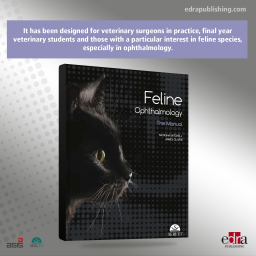
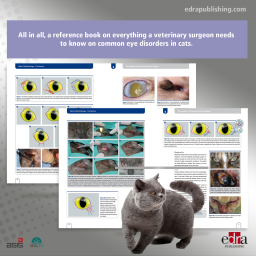
There is no doubt that cats are more and more popular as pets nowadays. It is therefore mandatory for veterinary surgeons to increase their knowledge on the diseases most frequently seen in feline practice. For that reason, the aim of this book is to provide the clinician with a visual guide to accurately diagnose and treat the most common ophthalmological eye disorders in cats. Feline Ophthalmology – The Manual is designed for veterinary surgeons in practice, final year veterinary students and those with a particular interest in feline species, especially in ophthalmology.
This new atlas focuses on how parasitic diseases can be diagnosed, treated, and prevented, with a special emphasis on those aspects on which pet owners can have an influence. It includes a classification of parasitic diseases according to the organ systems they affect, parasites in exotic animals, and a description of the most important zoonoses transmitted by dogs and cats.
This new volume of the collection Pet Owner Educational Atlas aims to help pet owners gain a better understanding of parasites, always through their veterinary surgeon's explanations and recommendations. It continues with the goal established in the first work: helping veterinarians in their communication with the pet owners when it comes to explaining how a parasitic disease is affecting their pets.
This atlas provides an up-to-date review of avian coccidiosis: its aetiology, epidemiology, clinical signs, etc. Special emphasis has been placed on the diagnosis and control of coccidiosis on poultry farms, with information about the techniques designed to detect coccidia and the current vaccination programmes.