The GAVeCeLT manual of...
The use of intravenous access devices is fundamental for all patients needing frequent blood sample collection, artificial nutrition, chemotherapy, antibiotic therapy, and any other intravenous treatment.
Active filters
The use of intravenous access devices is fundamental for all patients needing frequent blood sample collection, artificial nutrition, chemotherapy, antibiotic therapy, and any other intravenous treatment.
The ten chapters of the volume answer these ten fundamental questions and the clinician who faces an apical pathology of endodontic origin will therefore have the solutions. The aim of this text/atlas is to provide a guide to the diagnostic approach and to the execution of endodontic retreatments of complex cases.
A visual guide with a strongly educational approach covering the main joints in the limbs of the dog. It shows the anatomical elements of each of these joints in three-dimensional diagrams. The views chosen for each case have been selected for a practical purpose, showing the position of the elements involved in the most commonly used surgical approaches. It also describes the key orthopaedic conditions affecting each joint and the most commonly used surgical approaches. It contains a large number of images and illustrations, and a selection of views presented in digital video format.
This is a pioneering book in veterinary medicine. The reader will be able to visualize what really is happening in a diseased heart. Through three-dimensional representation and augmented reality; every disorder can be seen, almost touching the 3D model above the book. The pathologies' changes in blood flow can be visualized, bringing the reader even closer to the pathophysiological reality. The text addresses the major points of pathophysiology and diagnostic keys for the most common diseases, and the illustrations and pictures are a bridge between the 3D models and the text. Thus, the book succeeds in joining diagnosis, particularly a test such as echocardiography, to understand the pathophysiology.
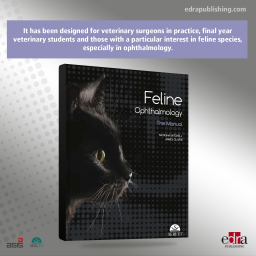
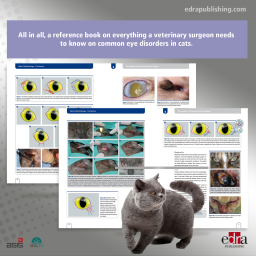
There is no doubt that cats are more and more popular as pets nowadays. It is therefore mandatory for veterinary surgeons to increase their knowledge on the diseases most frequently seen in feline practice. For that reason, the aim of this book is to provide the clinician with a visual guide to accurately diagnose and treat the most common ophthalmological eye disorders in cats. Feline Ophthalmology – The Manual is designed for veterinary surgeons in practice, final year veterinary students and those with a particular interest in feline species, especially in ophthalmology.
The second edition of this book presents veterinary professionals with practical solutions to specific situations they may encounter due to new tendencies influencing the sector. The author gives clear, straightforward, and yet dynamic explanations of topics such as market research, how to form a team and retain staff, business plans and protocols, or how to control expenditure. The book has also been updated with the know-how required to get the most out of the new technologies and digital tools now available to veterinary practices (social media, digital marketing, etc.). The book aims to introduce veterinary professionals who own a practice to the management skills that can empower them to become cutting-edge veterinary entrepreneurs.