
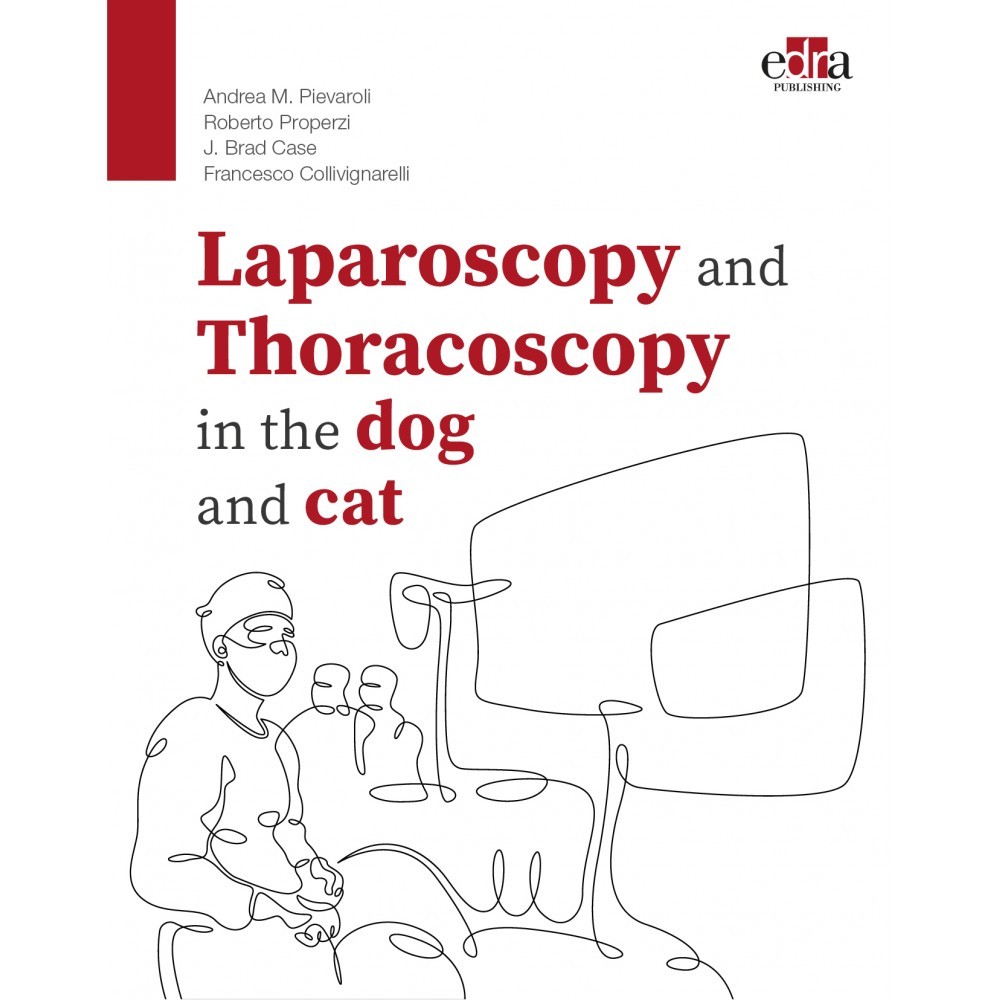


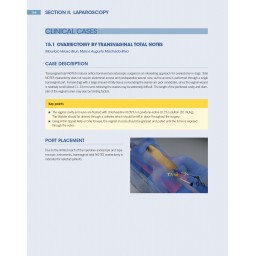
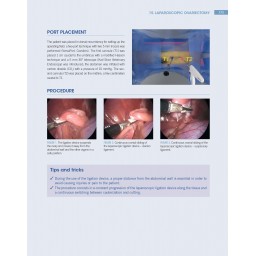
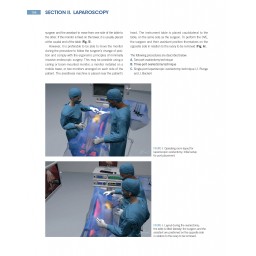
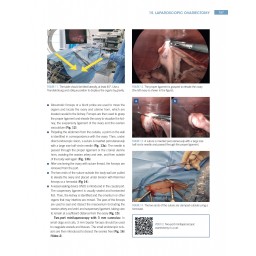
After the introduction in the 1980s of minimally invasive surgery in human medicine, laparoscopic and thoracoscopic surgery started to take hold also in veterinary medicine. Thanks to its reduced invasiveness and its fast post-operative recovery, minimally invasive surgery started to expand so quickly that nowadays it has become the preferred technique for many surgical procedures. Laparoscopy and Thoracoscopy in the dog and cat is a comprehensive book that describe all the minimally invasive surgical procedures. The description of the various surgical steps is accompanied by a wide iconography, each chapter in fact illustrates with drawings and pictures the arrangement of the surgeons in the operating room and the positioning of portals to perform laparoscopic or thoracoscopic procedures.
After the introduction in the 1980s of minimally invasive surgery in human medicine, laparoscopic and thoracoscopic surgery started to take hold also in veterinary medicine. Thanks to its reduced invasiveness and its fast post-operative recovery, minimally invasive surgery started to expand so quickly that nowadays it has become the preferred technique for many surgical procedures. Laparoscopy and Thoracoscopy in the dog and cat is a comprehensive book that describe all the minimally invasive surgical procedures. The description of the various surgical steps is accompanied by a wide iconography, each chapter in fact illustrates with drawings and pictures the arrangement of the surgeons in the operating room and the positioning of portals to perform laparoscopic or thoracoscopic procedures. The book is also enriched by personal experiences of international authors who shared procedures still not described in the literature making the volume a must have practical book for practitioners as well as experienced surgeons. For a better understanding the book includes videos of the described procedures available through QR codes on vetminimallyinvasivesurgery.edrapublishing.com
Authors
Andrea M. Pievaroli, DVM Clinica Veterinaria Pievaroli, Referral center for Endoscopy and Mini-invasive surgery, Rome
Roberto Properzi, DVM, MSc Freelance surgeon Studio Med Vet Properzi, Rapallo
J. Brad Case, DVM, MS, DACVS, ACVS Founding Fellow, Minimally Invasive Surgery, Soft Tissue - Small Animal Associate professor, college Veterinary Medicine, University of Florida
Francesco Collivignarelli DVM, MSc, PhD Head of Soft Tissue Surgery and Minimal Invasive Surgery Clinica Veterinaria San Marco, Veggiano, Italy, Policlinico Veterinario Roma Sud, Rome
Foreword
David Twedt, DVM, ACVIM Professor of Small Animal Internal Medicine, Colorado State University
Data sheet
Specific References
A visual and instructive book written by experts in the field, which shows readers how to analyse the most important characteristics of lameness and the main measures for its control and optimal prevention.
A visual atlas which describes –day by day– the hole process of embryonic development in order to be able to identify critical points in this process so a final and correct diagnosis can be established.
The increasing demand for complex rehabilitative dental treatments in the adult patient and in developmental age raises the need for multidisciplinary therapies. The book is intended to trace the orthodontic-periodontal relationships, analyzing how orthodontic procedures can enhance the periodontal treatment plan, increasing its predictability, integrating it, interacting in the surgical approach and, at the same time, how Periodontology increases the potential and predictability of orthodontic treatments, synergically completing them.
This book aims to introduce veterinary surgeons to a new concept of pain for a better understanding of what pain is and how it occurs. By describing pain pathways and their regulation, as well as the sophisticated therapeutic systems that are currently being developed, this book shows its readers how to interpret pain, and how to identify it as a pathology in itself and treat it as such. The management of chronic pain in companion animals is an area in which there is a significant therapeutic void. In many cases, professionals are unaware of the appropriate approach to managing chronic pain, despite the wide range of pharmacological, surgical, and physical therapy options that act directly on the pain pathways.
The previous editions of this manual have enjoyed great appreciation; the didactic effectiveness, the clarity and coherence of the book have made it a reference for many students, as well as a practical guide for professionals and specialists. For this third edition, the majority of the chapters have been rewritten and new clinical cases have been added. The book is based on lavishly illustrated clinical cases. Also, given their frequency in oral surgery, proper space at the end of the book is given to the most common post-surgical complications, strategies of prevention, and management.
After the introduction in the 1980s of minimally invasive surgery in human medicine, laparoscopic and thoracoscopic surgery started to take hold also in veterinary medicine. Thanks to its reduced invasiveness and its fast post-operative recovery, minimally invasive surgery started to expand so quickly that nowadays it has become the preferred technique for many surgical procedures. Laparoscopy and Thoracoscopy in the dog and cat is a comprehensive book that describe all the minimally invasive surgical procedures. The description of the various surgical steps is accompanied by a wide iconography, each chapter in fact illustrates with drawings and pictures the arrangement of the surgeons in the operating room and the positioning of portals to perform laparoscopic or thoracoscopic procedures.


