Update on Canine...
This clinical manual on thyroid gland conditions offers an update on the concepts and clinical reality of canine hypothyroidism and feline hyperthyroidism, two processes that have been the subject of much case-based reasoning.
Filtres actifs
This clinical manual on thyroid gland conditions offers an update on the concepts and clinical reality of canine hypothyroidism and feline hyperthyroidism, two processes that have been the subject of much case-based reasoning.
Through 50 questions and their corresponding answers, this book offers an entirely practical review of the endoparasites and ectoparasites which affect the equine species as well as the methods of controlling them. This book, organized into chapters divided by organ, presents real-life situations that deal with parasites of the horse in professional veterinary practice. Its images and diagrams – around 300 altogether – render it something of a parasitology atlas.
This practical guide provides updated information about the infectious diseases that most commonly affect dogs, diagnostic approaches, treatments, vaccinations programmes and recommendations, etc., all described from a highly practical point of view.
This book describes, in a way that greatly facilitates learning, the most relevant renal diseases in cats and dogs, with a focus on their pathophysiology and diagnosis, as well as on how they can be treated. The content not only reflects the latest advances in nephrology, but also shows the kidney in a way rarely seen in veterinary medicine. Either by navigating through the ebook or by using the QR codes in the printed version, readers will be able to view animations designed to explain the anatomy and physiology of the kidney, the pathophysiology of renal diseases and certain techniques.
Who said that nutrition is boring? Not in this book! Here we have transformed nutrition into a series of graphic pages, with simple and concise text and several diagrams, drawings and images, by which the veterinarian can see all of the fundamental aspects of nutrition in dogs and cats. From digestive physiology and dietary behavior, the evaluation of body condition and morphometric measurements, to the characterization of the immediate principals and the description of the energy and nutrient requirements, this atlas is a succession of pages with an immense richness in information and visuals that will enable the reader to enjoyably deepen their knowledge about pet nutrition.
This guide compiles practical information to aid veterinary clinicians in managing cancer patients, and covers aspects related to diagnosis, prognosis, and treatment, as well as pain management and communication with owners. It has been developed by leading specialists in oncology who approach the subject from a practical perspective, and includes many images, tables, and diagrams that facilitate understanding of its content and make it an essential volume on the bookshelves of any veterinary clinic.
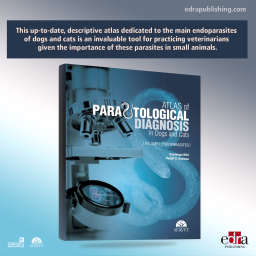
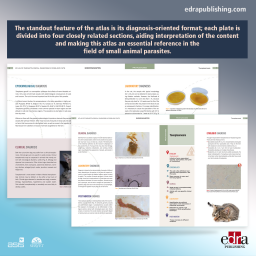
This up-to-date, descriptive atlas dedicated to the main endoparasites of dogs and cats is an invaluable tool for practicing veterinarians given the importance of these parasites in small animals. The authors, renowned specialists in the field, discuss the most salient aspects of each parasite and use visual aids to describe in practical terms the best means of detection and treatment. The standout feature of the atlas is its diagnosis-oriented format; each plate is divided into four closely related sections, aiding interpretation of the content and making this atlas an essential reference in the field of small animal parasites.
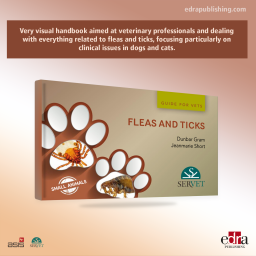
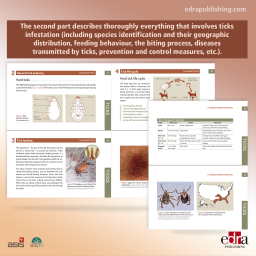
Very visual handbook aimed at veterinary professionals and dealing with everything related to fleas and ticks, focusing particularly on clinical issues in dogs and cats. The first part is entirely dedicated to fleas (including their identification, life cycle, clinical signs derived from flea infestation, flea allergy dermatitis (FAD), and prevention and control measures, among others). The second part describes thoroughly everything that involves ticks infestation (including species identification and their geographic distribution, feeding behaviour, the biting process, diseases transmitted by ticks, prevention and control measures, etc.).
This atlas addresses the immune mechanisms of dogs and cats and describes the most important infectious and parasitic diseases. It has been designed as an aid to veterinary surgeons to help owners understand the processes underlying the development of some of the most important diseases of their pets, the immune mechanisms involved, and the importance of disease prevention through immunisation. The digital version includes 3D animations.
Using a simple and graphical approach this atlas addresses the mechanisms involved in the immune responses of dogs and cats, and describes the most important infectious and parasitic diseases, as well as the corresponding preventive strategies.
This new volume of the Pet owner educational atlas collection on the cardiorespiratory system of dogs and cats pursues the same objective as the previous books: helping veterinary surgeons to communicate with pet owners. In addition, as its contents are focused on one single system, the specificity of the topics addressed will also help veterinary practitioners to consolidate and broaden their knowledge.
Handbook entirely dedicated to avian infectious laryngotracheitis (ILT), based on a handy and visual approach of the topic. This handbook has been developed by prestigious, highly experienced, and renowned authors, being experts in the area of avian diseases. An up-to-date and complete review has been carried out including the most significant contents, such as etiology, epidemiology, pathogenesis, clinical manifestations, etc. A chapter about vaccination has been properly developed in order to provide the main guidelines to avoid vaccination failures and control its prevalence and incidence.
The number of new technology vaccines available has been increased worldwide, as well as their widespread use in the poultry industry, especially at hatchery level. Therefore, an updated review with practical and visual approach has been developed in order to highlight the importance of hatchery vaccination in poultry farming, whatever the vaccination technique used (in ovo, subcutaneous or spray vaccination), to control the main diseases affecting this species (infectious bursal disease, Newcastle disease, infectious laryngotracheitis, etc.). This handbook has been written by an expert with wide experience in this field. Numerous graphic resources have been included to complement the information provided and make the contents more understandable and accessible to readers.
The most updated information on avian influenza with a practical approach. The authors review the aetiology, clinical signs, diagnosis, and control of avian influenza viruses. It also includes numerous graphic resources to make the contents more understandable to readers.
A vaccination failure occurs when the chickens do not develop suitable antibody titer levels and/or are susceptible to a field disease outbreak. Therefore, an updated review has been thoroughly developed in order to highlight the importance of detecting and solving the major vaccination failures in commercial chickens.
Infectious bronchitis is an acute and highly contagious respiratory disease of chickens characterized by respiratory signs comprising gasping, coughing, sneezing, tracheal rales and nasal discharge. In addition, severe respiratory distress may occur in young chickens. Respiratory distress, decrease in egg production, and loss of internal egg quality and eggshell quality have been reported in layers. Some strains of the virus produce severe kidney damage and may be associated with high mortality.
In this comprehensive review of infectious bursal disease, the author uses graphic resources accompanied by short texts to describe the disease in an accessible manner. The information provided in this handbook will allow professionals to deal with this disease more effectively.
Atlas entirely dedicated to infectious bursal disease based on a practical and graphic approach of the topic. This handbook has been carried out by highly experienced authors closely involved with this disease in Africa, where its prevalence and incidence are significant. This updated work has been carefully developed including the most essential contents, so that it depicts a valuable tool to cope and control this virus as far as possible. Includes many helpful tips and visual graphic resources provided by the authors to enrich and turn this atlas into a reference in its field. Furthermore, diagnosis and vaccination have been thoroughly explained, highlighting vaccination programmes and types of vaccines. The atlas format helps to make the contents understandable for readers.
Updated review of Newcastle disease presented in a visual and practical manner. The chapter dedicated to the clinical diagnosis of the disease will surely be of great interest to the reader. The vaccination section provides the main guidelines to prevent vaccine failures and control the immunological status of the operation.
Vaccination is one of the cornerstones of poultry production. In fact, it is one of the aspects that most influence production parameters in the poultry industry. In broilers, the optimum time of vaccination should aim at obtaining the maximum meat yield. In layers and breeders, both time and the route of administration have an influence in the quality of egg shells and the number of eggs per laying, among others.
This book provides veterinary surgeons with a global perspective on obesity in dogs and cats. Moreover, the information and therapeutic strategies presented within can help ensure that pet owners become fully involved in improving the health of their pets.
This book provides an understanding of climate change and other contributing factors in the emergence/reemergence of parasitic diseases in companion animals. It describes the known changes in the epidemiology of key parasite infections and highlights zoonotic threats, and is therefore a valuable resource for veterinary practitioners to manage risks and keep abreast of emerging/reemerging parasitic diseases of pets.
This book helps the reader to interpret the reproductive status of the cow using an outstanding selection of photographs with an eminently practical focus. The carefully chosen images let the reader visualize what they are touching during an examination, and describe the more basic procedures, such as rectal palpation or artificial insemination. It also highlights the importance of using oestrus synchronization protocols in routine reproductive practice.
Obstructive sleep apnea syndrome (OSAS) is a very common disorder, affecting a large percentage of the population. Often undiagnosed, it increases the risk of heart attack, stroke, arterial hypertension, diabetes and other chronic medical conditions. Dentists with expertise in sleep medicine can easily identify signs and symptoms of OSA, facilitate referral, and provide effective treatments in collaboration with medical providers. This text aims to provide an overview of relevant topics to dentists who want to include sleep medicine in their clinical practice.
This guide addresses the two-way interaction between the heart and kidney (cardiovascular–renal axis) and shows how both acute and chronic disorders of either of these organs can affect the function of the other. To achieve its objective, the book describes the pathophysiology, diagnostic approaches, and clinical management of these disorders.
Correct vaccination of dogs and cats requires consideration of a broad range of clinical situations and vaccination options. Using a thoroughly practical approach, this book takes an in-depth look at vaccines and vaccination to provide veterinary professionals with the information they require to address the many doubts and questions that arise in relation to this topic.
After explaining how clinical reasoning can be applied to identify a patient’s problems, focus on the most relevant issue, and determine its causes, this book describes complex case studies from a physiological and diagnostic perspective. Readers will be asked to answer a series of questions in order to assess their knowledge and acquire the necessary skills for properly establishing a diagnosis.
The head and neck. Volume 2 expands the presentation of the medical conditions that may affect these body areas and the routine surgical procedures used to manage them. The detailed descriptions of the different surgical techniques are accompanied by a wealth of visual content that will contribute to a better understanding of these techniques.
This comprehensive guide, born from a profound understanding of the challenges faced by veterinarians, provides an authoritative and readily accessible resource for addressing urgent surgical needs in small animals. Dogs and cats often find themselves in critical situations necessitating swift and precise surgical intervention. Whether it's trauma-related injuries, acute abdominal crises, or unforeseen complications, the ability to navigate these emergencies with expertise is paramount.
Cost, treatment time and duration: these are the key questions of the patient seeking a new smile today. In this book, the StyleItaliano Team has gathered the smartest and most interesting suggestions from their followers from all over the world to answer these questions and make the most of the digital technology and modern materials available. Feasible, teachable, repeatable in perfect StyleItaliano manner!