The modern approach to the patient can no longer ignore a comprehensive view of the human body. This work shows the anatomical connections that unequivocally demonstrate the relationships between occlusion and posture. Hundreds of clinical images allow the reader to understand all aspects of treating patients with postural syndrome, from developing the treatment plan to follow-up checks over time. Cases of restorative dentistry, prosthetics on natural teeth and implants, fixed and functional orthodontics are presented. The comparison between new and old adhesive materials aims to illustrate which materials or techniques are more effective, from an occlusal and aesthetic standpoint, based on the specific issue being addressed.
The modern approach to the patient can no longer ignore a comprehensive view of the human body, in which each part is connected to the others and where they mutually influence each other. This work shows the anatomical connections that unequivocally demonstrate the relationships between occlusion and posture. Hundreds of clinical images allow the reader to understand all aspects of treating patients with postural syndrome, from developing the treatment plan to follow-up checks over time. Since the topic of posture involves all branches of dentistry, cases of restorative dentistry, prosthetics on natural teeth and implants, fixed and functional orthodontics are presented, all with the perspective of achieving patient postural balance. The comparison between new and old adhesive materials aims to illustrate which materials or techniques are more effective, from an occlusal and esthetic standpoint, based on the specific issue being addressed.
Fiche technique
Références spécifiques
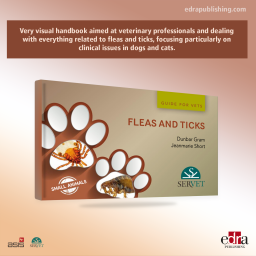
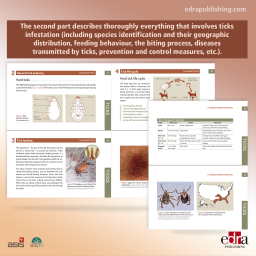
Very visual handbook aimed at veterinary professionals and dealing with everything related to fleas and ticks, focusing particularly on clinical issues in dogs and cats. The first part is entirely dedicated to fleas (including their identification, life cycle, clinical signs derived from flea infestation, flea allergy dermatitis (FAD), and prevention and control measures, among others). The second part describes thoroughly everything that involves ticks infestation (including species identification and their geographic distribution, feeding behaviour, the biting process, diseases transmitted by ticks, prevention and control measures, etc.).
Grafting materials must be safe, biocompatible and able to guarantee lasting results. Among the fundamental features of the ideal material is the ability to promote bone regeneration. The autologous tooth is a very promising candidate because it allows osteoinduction and its maintenance after the treatment. After examining the current scientific evidence and studies carried out at the Politecnico di Milano (Milan, Italy), The tooth as a graft provides an overview of all the aspects of bone regeneration and the various devices available on the market are presented and compared, their use explained step-by-step, from cleaning the tooth to the grinding, to the treatment of the material before grafting.
In this book, the authors have tried to show, in a brief and practical manner, the basic principles and techniques that veterinary surgeons, nurses and students should know, master and improve to enhance the surgical care provided to their patients.The book features chapters about the different methods and techniques to control bacterial contamination and surgical infection, both in terms of the fight against microorganisms and the surgeons’ and assistants’ practices in the operating theatre.
This handbook complements the former book by the same author, Swine disorders guide, published by Servet in 2014. This new guide is focused on the diagnosis of swine disorders, including clinical examination and clinical signs, and includes a deep review of the main disorders according to their clinical signs.
The modern approach to the patient can no longer ignore a comprehensive view of the human body. This work shows the anatomical connections that unequivocally demonstrate the relationships between occlusion and posture. Hundreds of clinical images allow the reader to understand all aspects of treating patients with postural syndrome, from developing the treatment plan to follow-up checks over time. Cases of restorative dentistry, prosthetics on natural teeth and implants, fixed and functional orthodontics are presented. The comparison between new and old adhesive materials aims to illustrate which materials or techniques are more effective, from an occlusal and aesthetic standpoint, based on the specific issue being addressed.